
TAGGED IN:
Why More Chefs Are Adding Umami Seasoning to Their Menus
Umami isn’t just another hot trend. It was actually discovered in 1908 by a chemistry professor at Tokyo Imperial University. Scientific and industry sources define umami as a distinct basic taste that adds rich, savory depth and mouthfeel to dishes, making flavors more satisfying and memorable for diners.
Umami enhances savory satisfaction and appetite appeal, which is why more professional chefs are adding umami seasoning to the dishes on their menus.
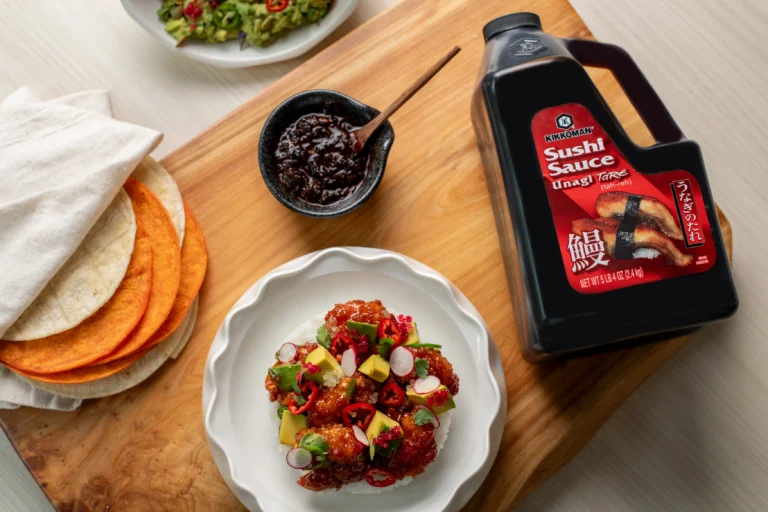
What Umami Seasoning Does for Food
In culinary terms, umami elevates the perception of other tastes and enhances overall dish balance. This directly influences customer satisfaction. As any restaurateur will tell you, satisfied customers have a habit of returning time and again. Once a chef and a restaurant have established a reputation for serving up consistently delicious food, they tend to enjoy an abundance of referrals and repeat business.
Why This Matters For Restaurants
Professional chefs know that in addition to adding an abundance of flavor to cuisine, umami delivers even more advantages:
- Integrating umami with broths, proteins, and fermented components creates more craveable signature sauces and entrees.
- Adding umami enhances perceived quality without relying on extra fat or salt, aligning with modern, health-conscious menu preferences.
- Umami makes flavors stand out on the palate, fostering greater guest loyalty and more positive online feedback.
The Growing Demand for Umami Foods
Reports indicate significant year‑over‑year growth in umami‑driven dishes. In fact, umami-flavored foods are a growing consumer trend on menus as chefs respond to evolving diner preferences for bold, globally inspired flavors. The increase in popularity of plant-based and vegetarian dining also plays a part. Ingredients containing umami (natural glutamates), such as mushrooms, koji, seaweed, and sun-ripened tomatoes, lend a rich, savory flavor to plant-based foods without adding meat. Additionally, the move toward lower-sodium foods and healthier eating is driving the increased use of umami seasoning. Finally, a renewed interest in monosodium glutamate (MSG) is emerging as long-standing misconceptions are finally being disproven.
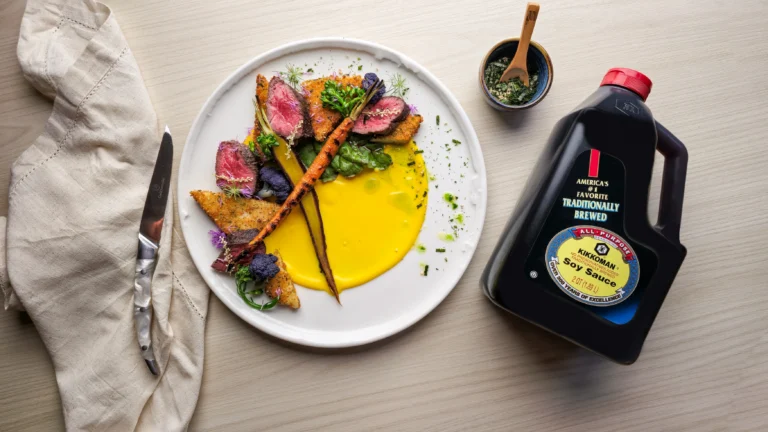
Why This Matters For Restaurants
Restaurateurs and chefs who keep a finger on the pulse of diners’ preferences and demands benefit from the surge in umami popularity because:
- Embracing umami-focused trends helps restaurants differentiate themselves and appeal to diners seeking new culinary experiences.
- By emphasizing umami, chefs can project a sense of culinary mastery that resonates with both local and global patrons.
- Dishes rich in umami, such as miso-glazed proteins, umami sauces, and ramen, fit perfectly with current global flavor movements in both fine dining and casual settings.
Umami Seasoning Helps Chefs Build Flavor More Efficiently & Creatively
Chefs use umami to layer flavor and craft dishes that deliver complexity without overwhelming saltiness or additional fat. In fact, many chefs, food scientists, and food writers use the term “umami bomb” when describing a recipe that delivers an intense concentration of savory flavor. Collectively, they recognize that by incorporating natural umami sources, such as aged cheeses, tomatoes, mushrooms, broths, fermented pastes, and seaweed, restaurants can consistently create an umami bomb. In doing so, they not only enhance the depth and balance of the food; they also reduce recipe reliance on sodium while serving cuisine that feels rich and balanced. In essence, they have achieved a culinary sweet spot.
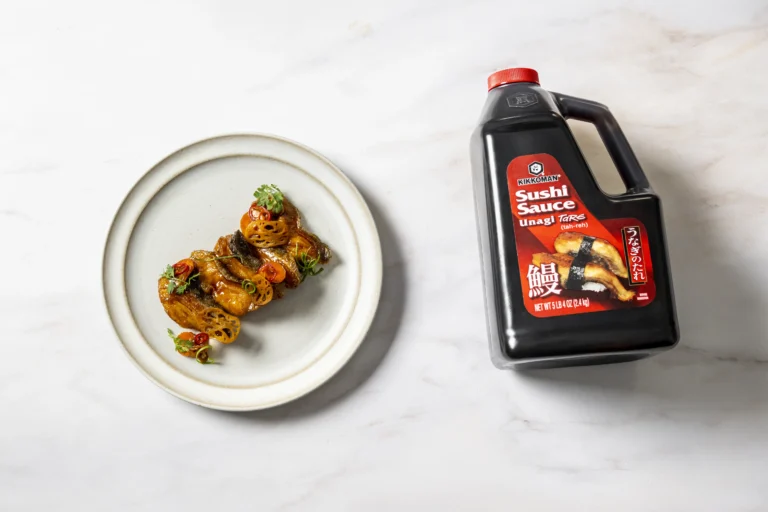
Why This Matters For Restaurants
Chefs who are free to develop their menus using umami seasoning may find that:
- It prompts the innovative use of both classic and fusion culinary components.
- It aids in the development of health-focused menu items without compromising intense flavor profiles.
- It provides various ways to repurpose ingredients across the menu or throughout the seasons, such as utilizing mushroom broths for both braising and soups.