Umami Explained
We tend to think of four basic tastes: sweet, sour, bitter, and salty. Umami is the fifth taste—often described as meaty, savory, or brothy. Although it was first identified and analyzed in Japan in the early 20th century, umami has been around for thousands of years as the “secret weapon” of cooks looking to add flavor intensity.
It’s a flavor that is harder to pin down than the other four. But if you know what to look for, umami is instantly recognizable. It’s the tongue-coating richness of reduced meat stock, the intensity of parmesan cheese, the concentrated flavor of sautéed mushrooms or tomato sauce, and the complex, sweet-savory depth of traditionally brewed soy sauce.
What’s behind all of these umami-rich ingredients is a high concentration of certain amino acids, including glutamic acid—often the result of fermentation or reduction. But it’s what they do to other foods that is truly remarkable.
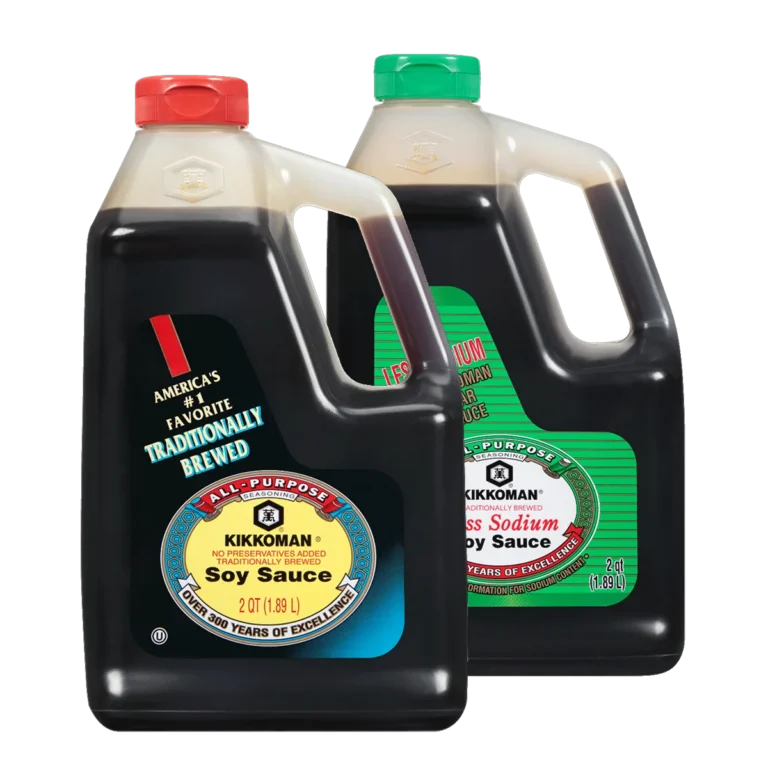
Umami ingredients boost flavor. Add them, and foods taste richer, more intense, and more fully rounded. Traditionally brewed Kikkoman® Soy Sauce is one of the most versatile, all-purpose umami ingredients of all. As I mentioned, cheese, tomatoes, and mushrooms are often cited as examples of umami-rich ingredients. Just look at how brewed soy sauce compares to them in terms of its natural umami.