






TAGGED IN:
Global flavors are one of today’s top food trends. See how restaurants differentiate menus with global flavors and drive traffic without added complexity.
How Restaurants Are Using Global Flavors to Stand Out
Diners are watching their budgets more closely than ever. An April 2026 Gallup poll found that 55% of respondents said their finances are getting worse. Even so, dining out remains one of life’s most cherished pleasures. The National Restaurant Association reports that “many consumers continued to prioritize restaurants in their spending decisions.”
That tension creates a clear mandate for operators. Menus still need to feel exciting and different, but they cannot come with added operational complexity. Global flavors are one of the most effective food trends helping restaurants meet both goals at once, giving guests something distinctive while keeping execution manageable in the back of house, part of a broader strategy for building bold, balanced flavors across your menu.
Why global flavors are one of today’s top food trends?
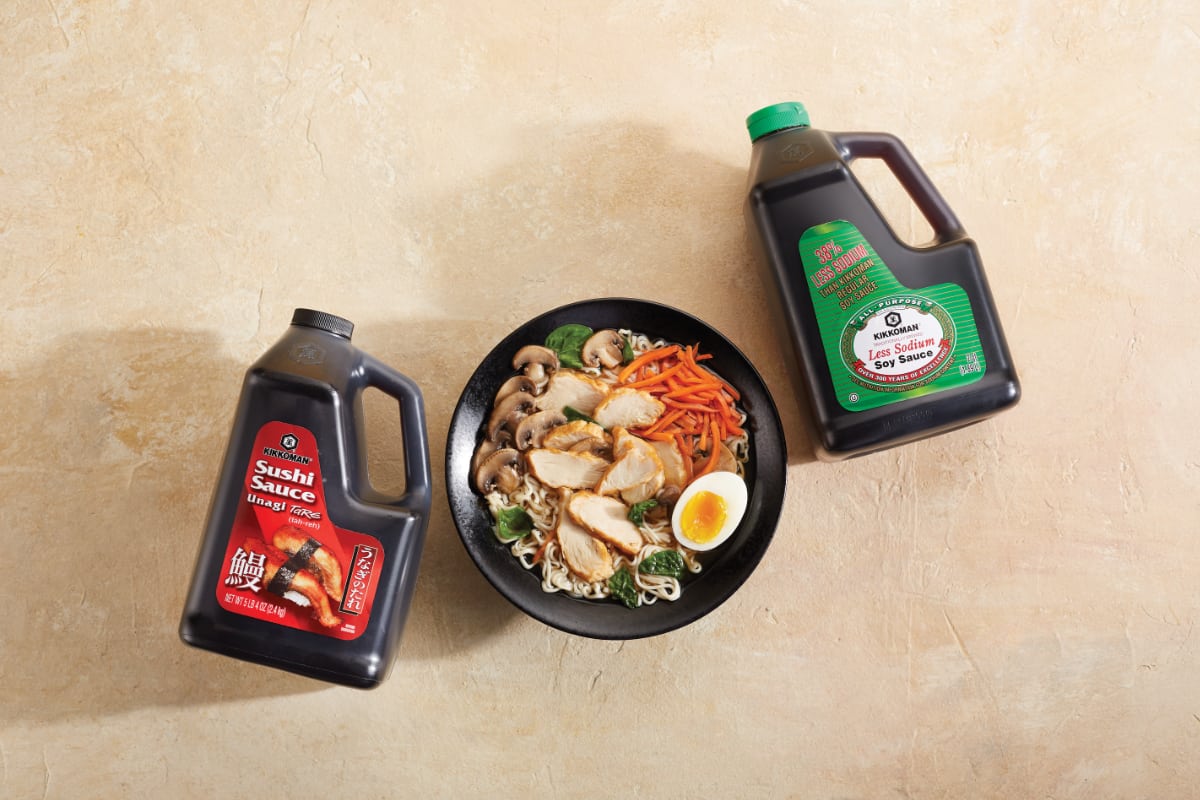
Global flavors have moved from novelty to standard practice. Nine in 10 U.S. operators now feature globally inspired items on their menus, according to Datassential trend data shared at a recent industry event. Experimentation has become a real strategy, with operators leveraging cuisine mashups to increase approachability and introduce diners to lesser-known cuisines.
A 2025 Datassential Restaurant Trends report shows that Gen Z and millennials are leading the charge in global food exploration, driven by social media discovery, travel, and cultural curiosity rather than simple novelty-seeking. That momentum is exactly why global flavor trends are gaining ground heading into 2026.
Which global cuisines, including Asian fusion cuisine, are growing the fastest?
The data points to a clear leader when it comes to which cuisines are growing the fastest in the U.S. According to Datassential trendologist Renee Wege, a wave of newly opened African restaurants has driven almost 35% unit growth for African cuisine, with South Korean cuisine trailing by only decimal points and Indian cuisine following close behind.
Asian fusion cuisine and Korean-inspired flavor profiles in particular have real staying power with U.S. diners. Asian cuisines such as Vietnamese, Thai, Korean and Filipino, along with South and Central American cuisines, are leading menu growth, giving operators an easy entry point into fusion menu concepts that guests are already primed to try.
How can operators add global flavor without overloading the kitchen?
Knowing how to add global flavors to a menu without slowing down the line is the real challenge. Many chefs are layering sauces and marinades to introduce Asian-inspired profiles rather than building new dishes from the ground up.
Sauce hacks, a speed-scratch technique, let kitchens build on an existing sauce with pantry ingredients already on hand instead of developing a new recipe from scratch, the approach we cover in our speed-scratch cooking guide for foodservice operators. These no-cook workflows keep staff efficient and working from their station rather than the hot line, which also helps protect consistency dish after dish. It’s one of the clearest examples of how restaurants reduce prep time while maintaining flavor.
Cross-utilizing one versatile, globally inspired sauce across multiple dishes, whether it’s a salad, a rib, or a marinade, streamlines inventory while still giving the menu real variety. A sauce that adds an Asian twist to a salad can just as easily finish on the grill for a rib, where the sugars caramelize into a deeper, more complex flavor with no extra labor required.
How does customization help global flavors resonate with guests?
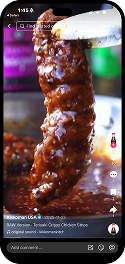
Formats like Korean BBQ and hot pot combine customization, interactivity, and visual appeal in ways that guests love to share, and that shareability is doing real marketing work. A single trending Korean street food video can drive restaurant traffic within weeks, according to Datassential’s 2025 Food Trend report, showing how much restaurant discovery now happens on social media rather than through traditional channels.
That shift is measurable: 67% of Gen Z and 57% of millennials say they rely on social platforms when deciding where to eat, making a shareable, globally inspired dish a genuine marketing asset, not just a menu item.
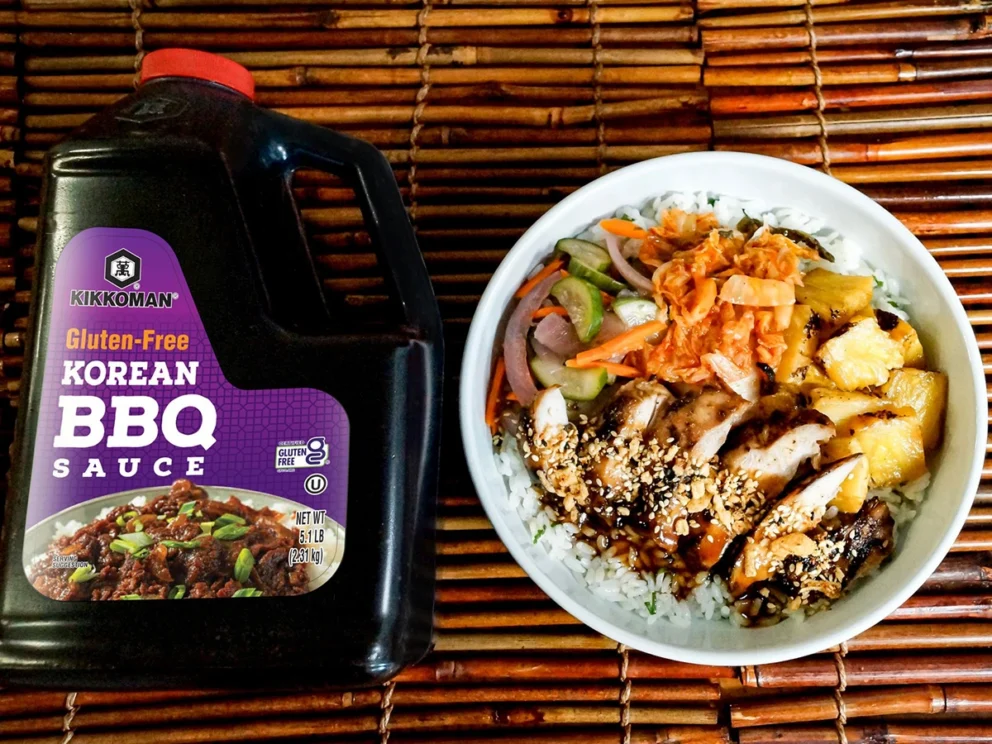
How Kikkoman® sauces support global flavor differentiation
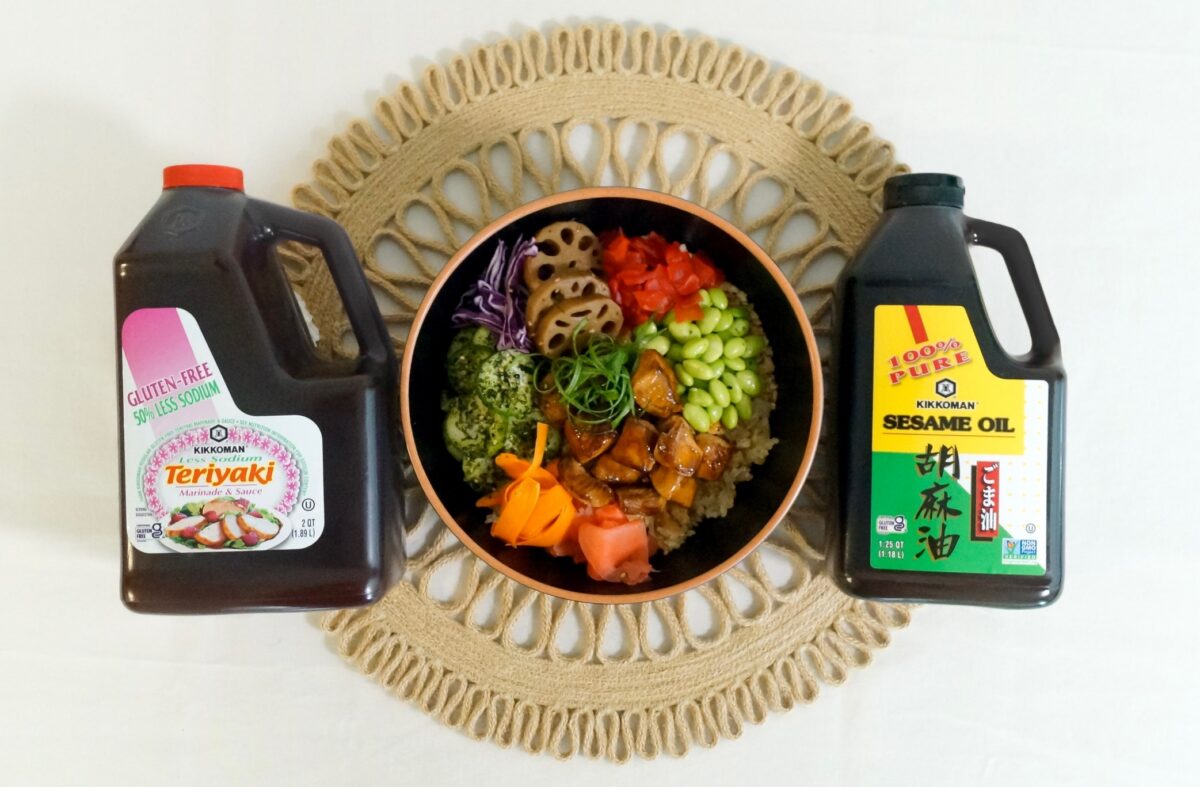
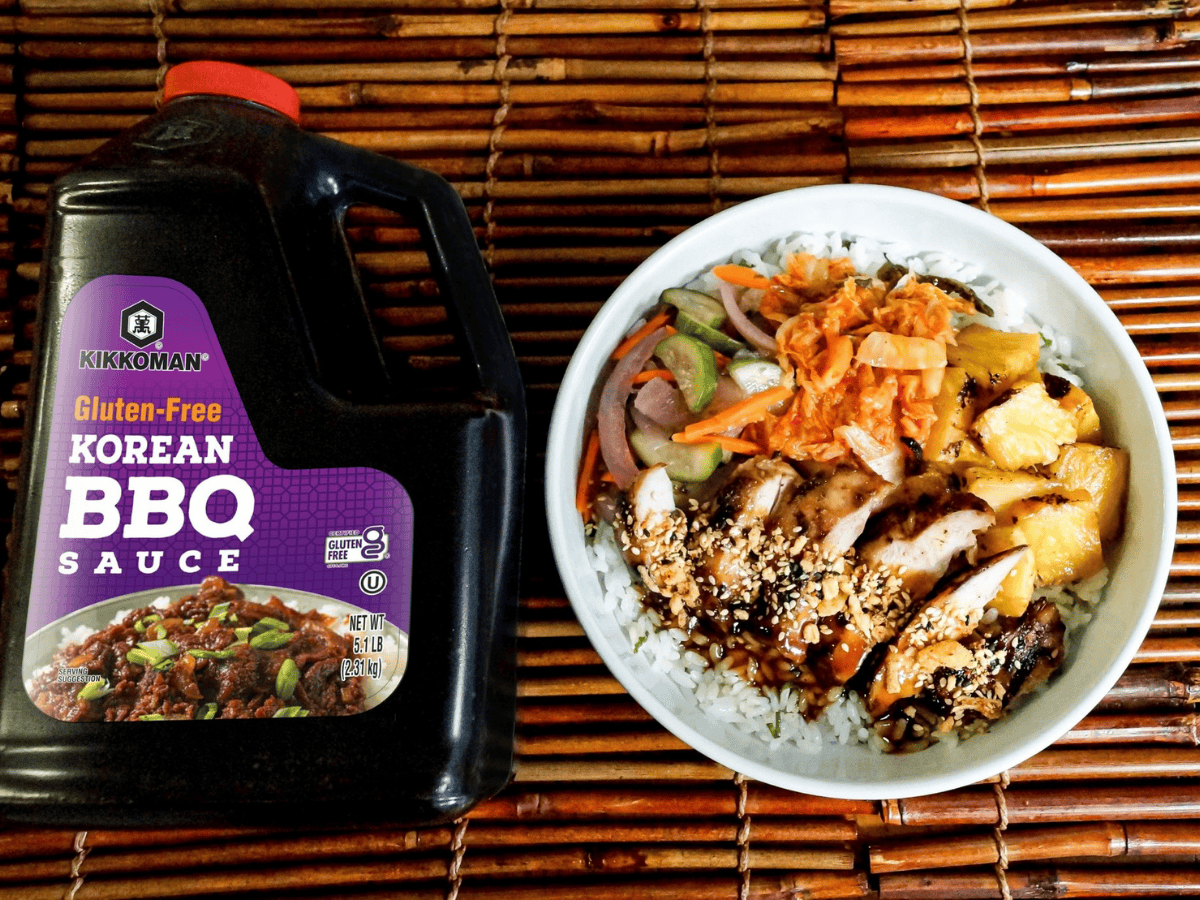
Kikkoman® Gluten-Free Korean BBQ Sauce was built with exactly this kind of menu innovation in mind. It works well on its own, or as a base for a sauce hack with ingredients like brown sugar, Sriracha, sesame oil or gochujang, all building blocks of how umami drives flavor on restaurant menus.
We work closely with culinary and marketing teams to understand menu categories, operational parameters, and ingredient inventories. Then we combine those insights with quantitative trend analysis to help operators develop ideas that are realistic to execute and compelling for guests.
Global flavors do not have to mean a full menu overhaul. With the right sauce, the right technique, and a little creativity, operators can bring bold, global flavor to the menu while keeping the kitchen running exactly as it should.
Ready to explore new menu possibilities? Visit our foodservice resources to access Asian-inspired menu ideation and operator tools.