- Products
- Recipes
-
-
- Roast Chicken with Hoisin Jus

-
- Sweet Potato Burrata

-
-
- Inspiration
-
-
- Chef’s Corner

-
- Kitchen Cabinet of Chefs
-
- K-12 Resources
-
-





 Recipe
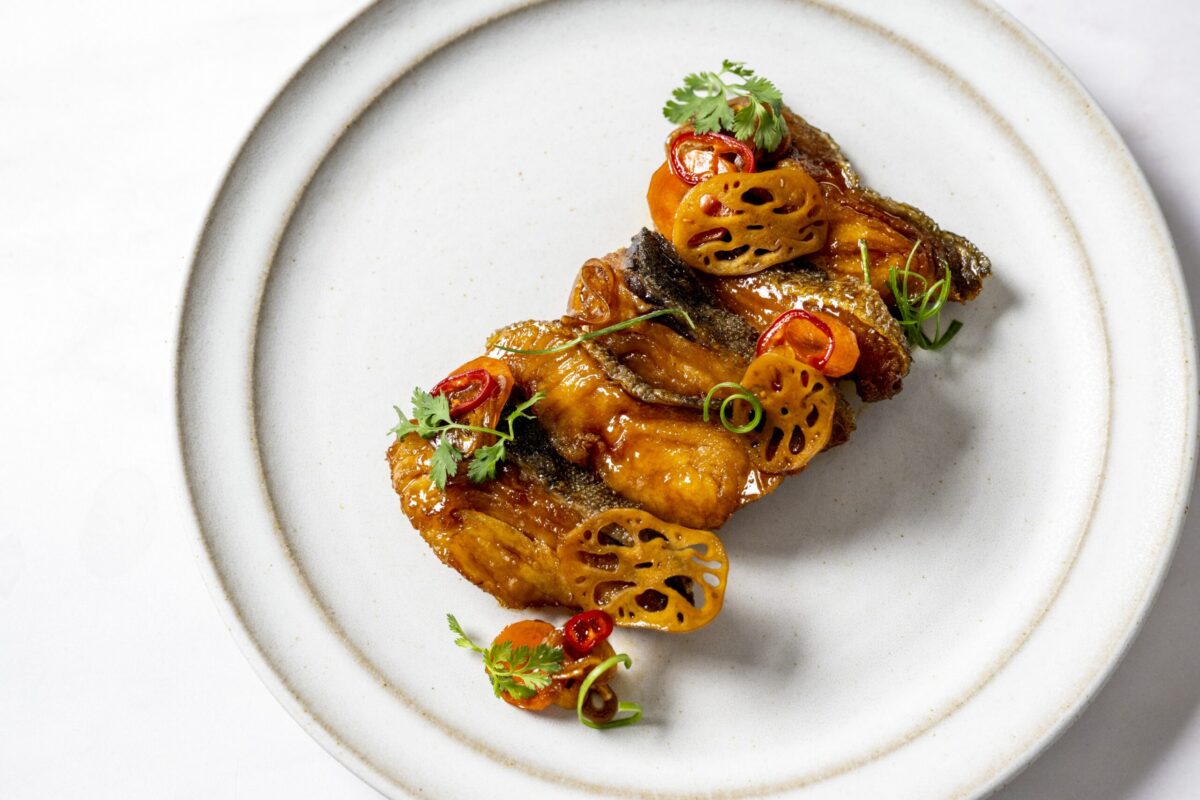
Shanghainese Sablefish Escabeche
Serves
4 servings
Total Time
3 hours
Prep Time
1 hour 45 minutes
Cook Time
2 hours
About
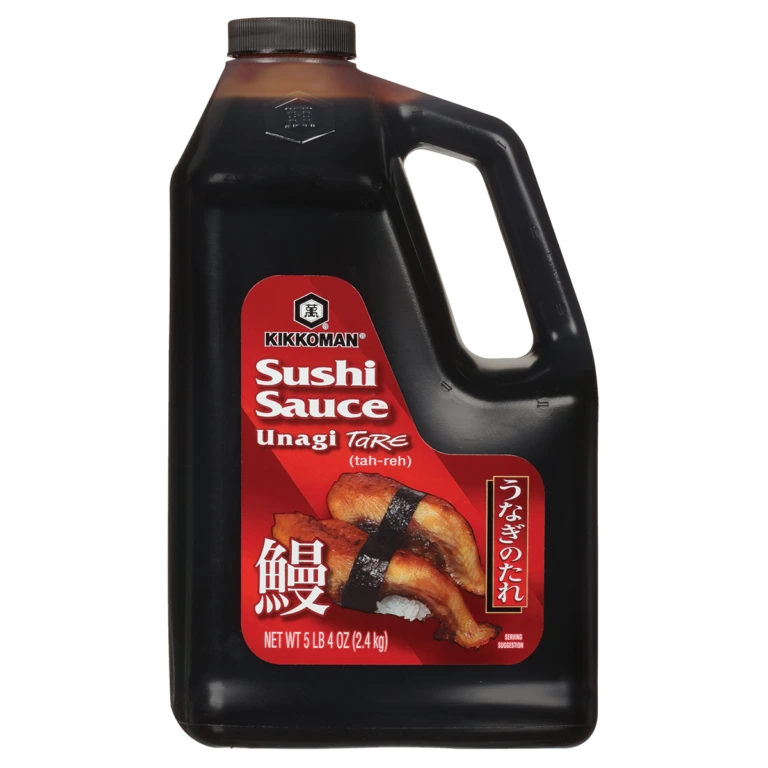
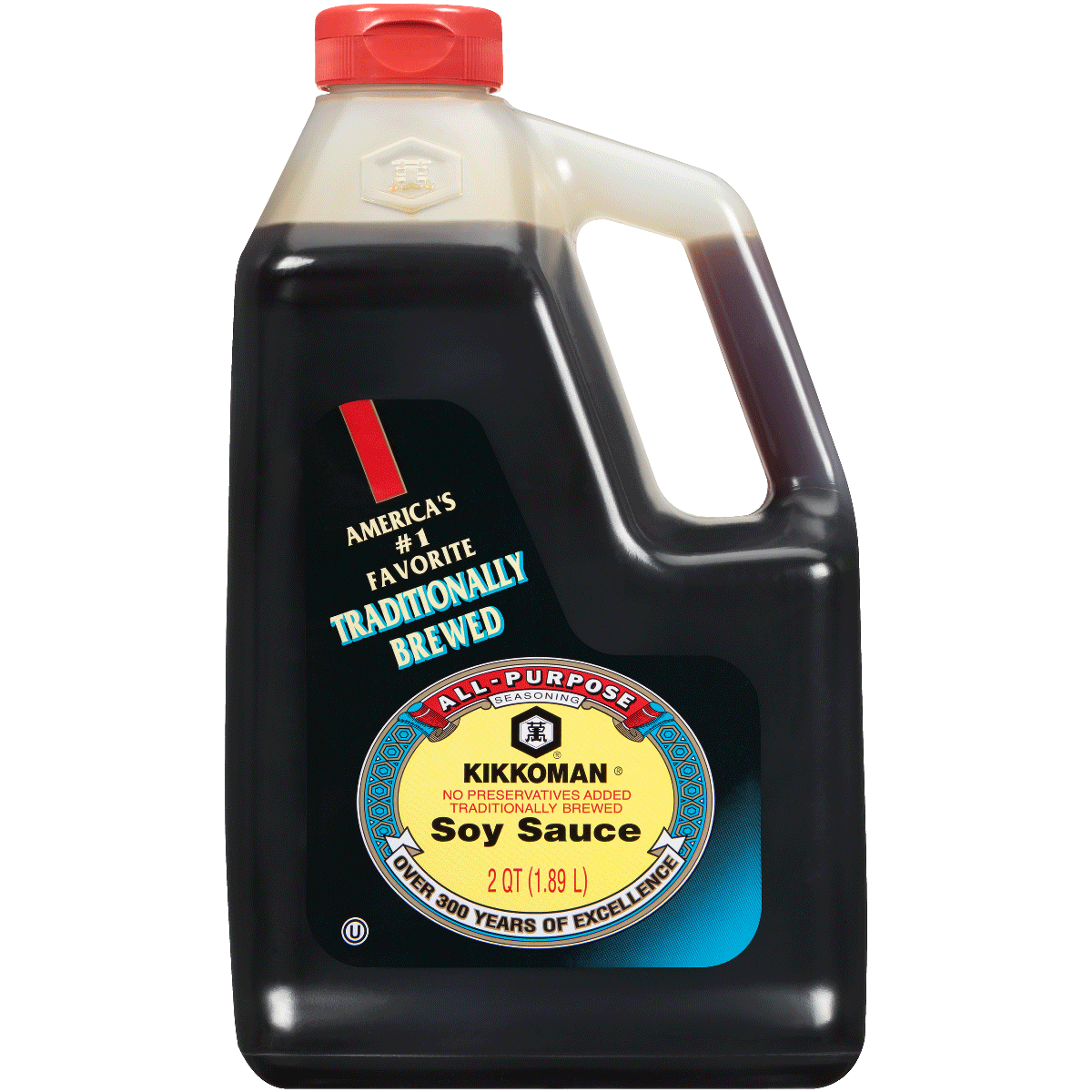
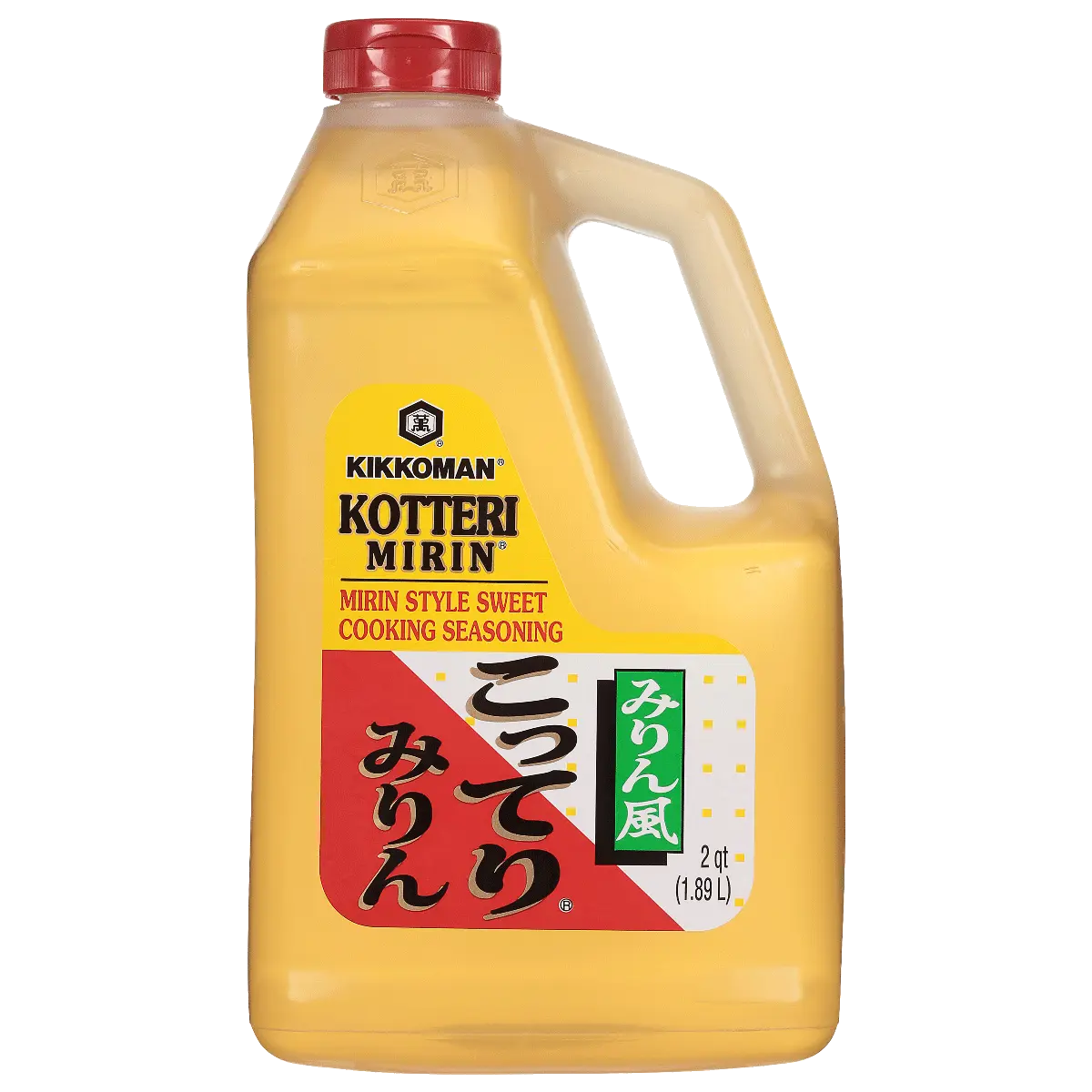
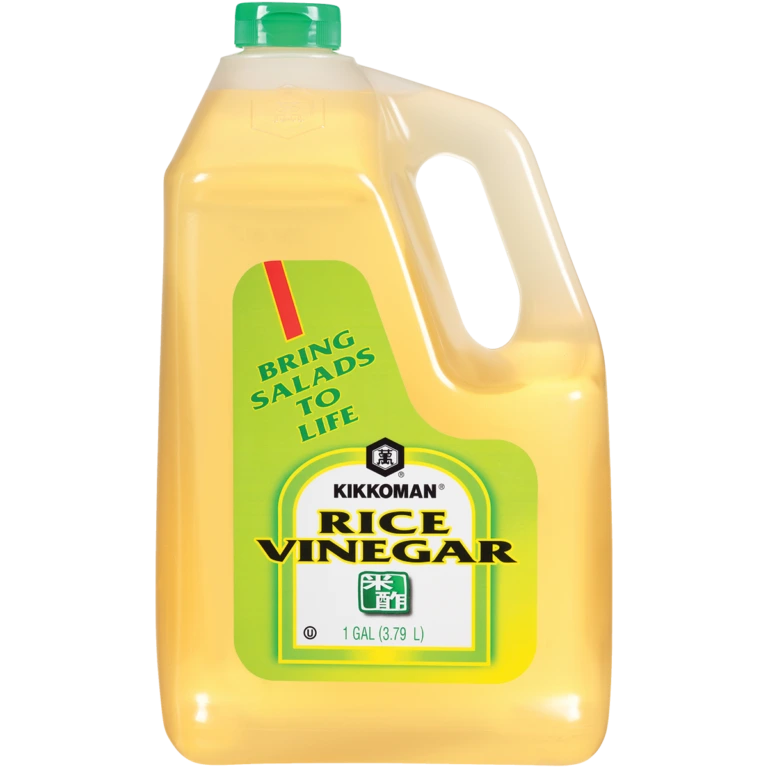
In this refined take on classic flavors, 2025 Kitchen Cabinet Inductee Chef Christine Lau combines the rich, soy-forward flavors of Shanghainese braises with the sweet and tangy balance of escabeche. Kikkoman® Soy Sauce, Sushi Sauce (Unagi Tare), and Kotteri Mirin® together build a deep flavored sauce that is finished with Kikkoman® Rice Vinegar for bright acidity. Buttery wild Alaskan sablefish is first fried to develop a golden crust, then marinated in the soy-vinegar sauce with lotus root, shallots, and carrots. The result is a dish that’s layered, aromatic, and deeply satisfying—a modern interpretation of traditional techniques built for flavor, texture, and menu versatility.Ingredients
Vegetables
- 1 carrot
- 1 shallot
- 1 lotus root
- 1 red Korean hot chili pepper (or substitute Fresno chili or red jalapeño)
Escabeche Sauce
- 50 grams neutral oil
- 1 to 2-inch piece ginger, sliced
- 20 grams scallions, cut into batons
- 350 grams Kikkoman® Sushi Sauce (Unagi Tare)
- 350 grams water
- 200 grams Kikkoman® Kotteri Mirin
- 400 grams Kikkoman® Soy Sauce
- 1 cinnamon stick
- 2 black cardamom pods
- 2 star anise pods
- 2 grams dried tangerine peel
- 2 bay leaves
- 10 grams licorice root
- 4 whole cloves
- 4 grams white peppercorns
- 4 grams red Sichuan peppercorns
- 4 grams green Sichuan peppercorns
- 150 grams Kikkoman® Rice Vinegar
Sablefish
- Neutral frying oil
- 453 grams (1 pound) wild Alaskan sablefish, skin-on
Garnish
- Picked cilantro leaves
- Julienned scallion greens
Directions
Prepare the Vegetables
- Using a mandolin, slice carrot into paper-thin discs and shock in ice water until curled.
- Slice shallot into 1/16-inch rings; separate into individual rings.
- Shave lotus root directly into ice water to prevent oxidation (1/16-inch thick discs). If the lotus root is larger than 2 inches in diameter, halve it before slicing; peel if older or fibrous.
- Thinly slice the red chili pepper.
Make the Escabeche Sauce
- Slice ginger into ¼-inch pieces, leaving the skin on for maximum flavor.
- Cut scallions into 3–4-inch batons.
- In a pot, heat neutral oil over medium heat. Add ginger and scallions; sweat until aromatic.
- Add Kikkoman® Kotteri Mirin® and reduce by half.
- Add Kikkoman® Sushi Sauce, water, and Kikkoman® Soy Sauce; bring to a boil.
- Reduce to a simmer and add all dry spices. Simmer for 30 minutes to infuse.
- Add Kikkoman® Rice Vinegar and remove from heat.
- Strain the sauce into a shallow casserole dish and set aside.
Prepare the Sablefish
- Preheat frying oil to 350°F.
- Keeping the skin on, slice sablefish on a bias into 1-ounce portions.
- Deep-fry until golden brown and crisp.
- Transfer to paper towels and let cool.
Marinate the Escabeche
- Combine carrots, shallots, lotus root, red chile pepper, and fried sablefish in the escabeche sauce.
- Ensure all ingredients are fully submerged.
- Marinate for at least 2 hours at room temperature, or overnight under refrigeration for deeper flavor.
To Serve
- Bring sablefish to room temperature before plating.
- Lightly brush the fish with Kikkoman® Sushi Sauce (Unagi Tare) for a glossy finish.
- Arrange vegetables and fish so each bite includes a mix of textures and flavors.
- Garnish with cilantro leaves and scallion greens.
Recipe created in partnership with Chef Christine Lau.