Cross-utilize versatile ingredients across the menu
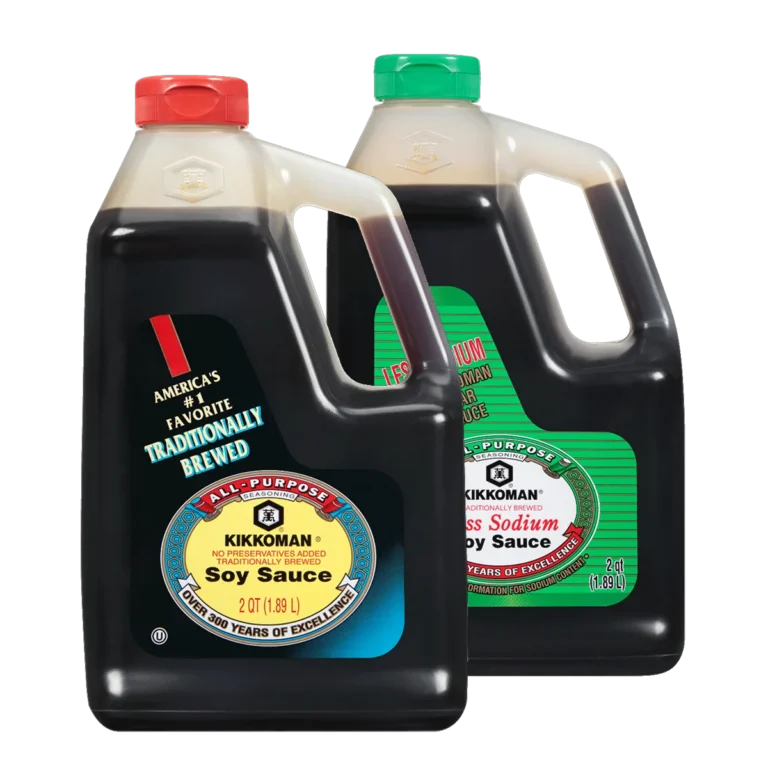
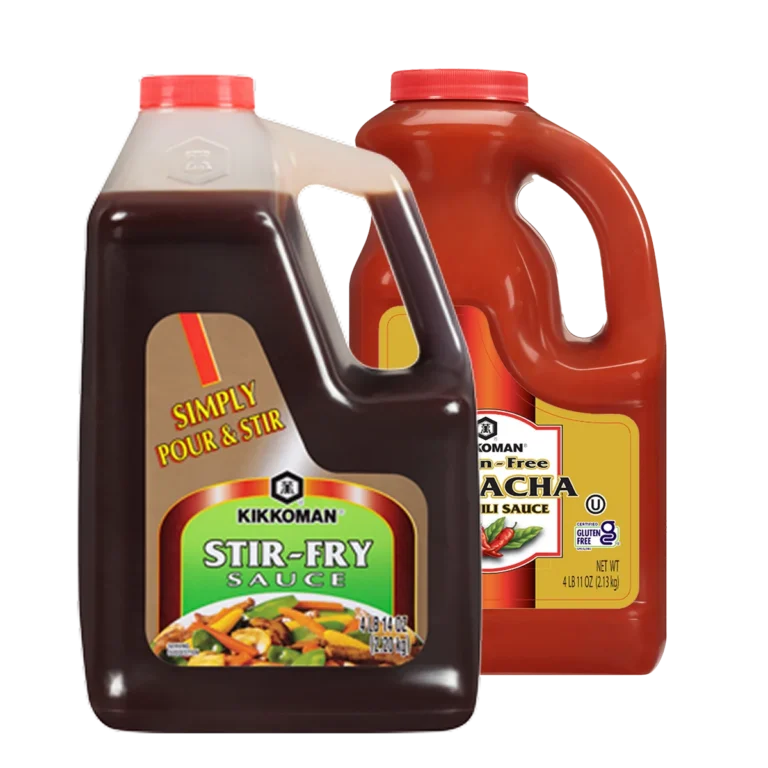
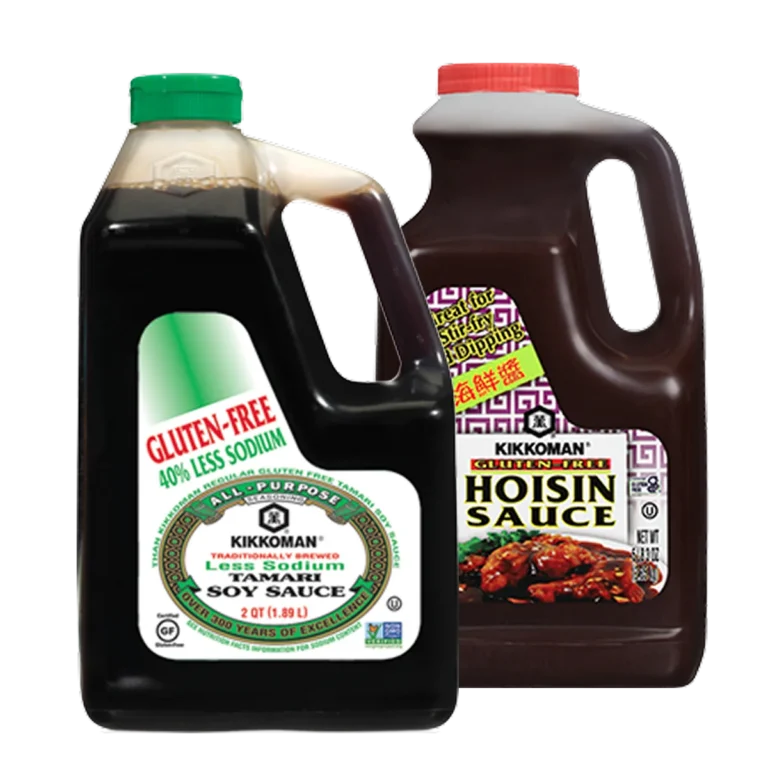
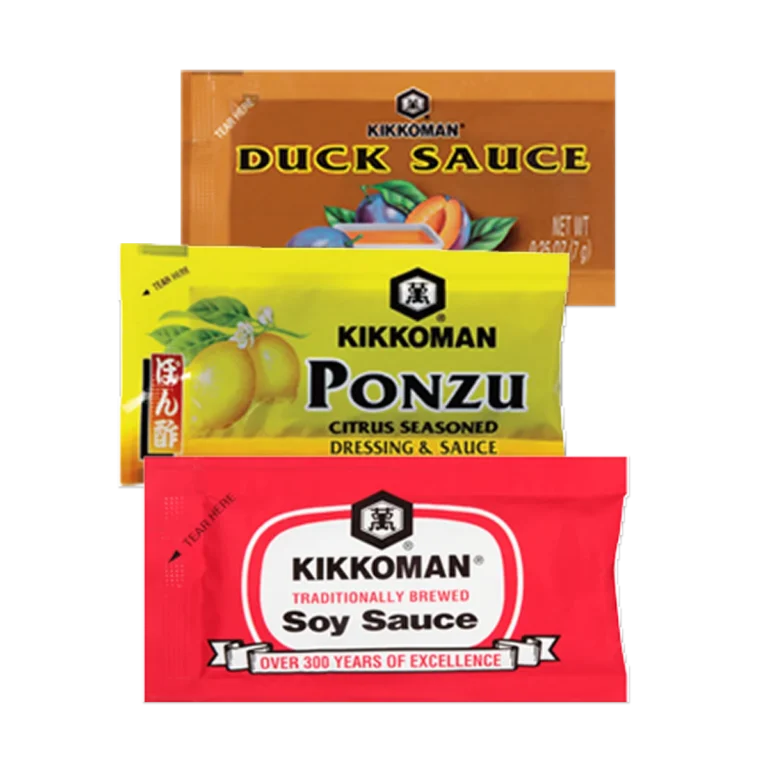
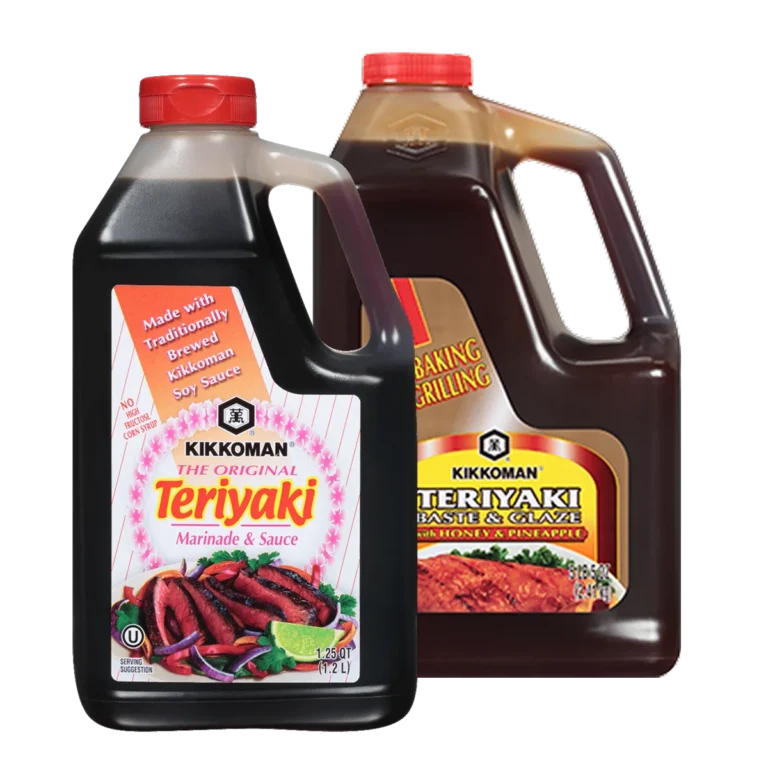
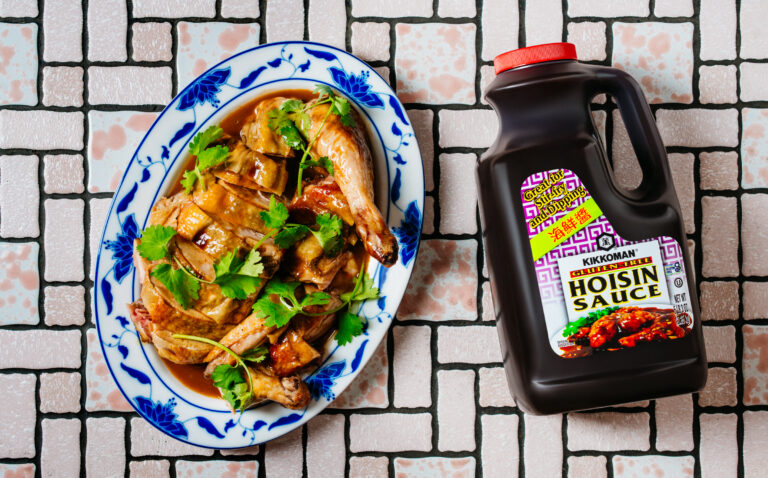
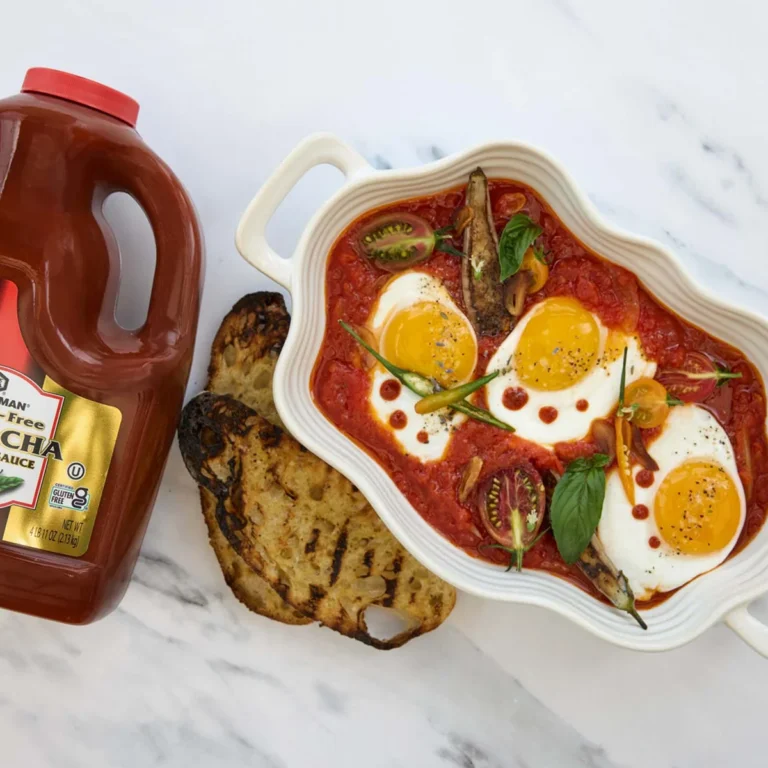
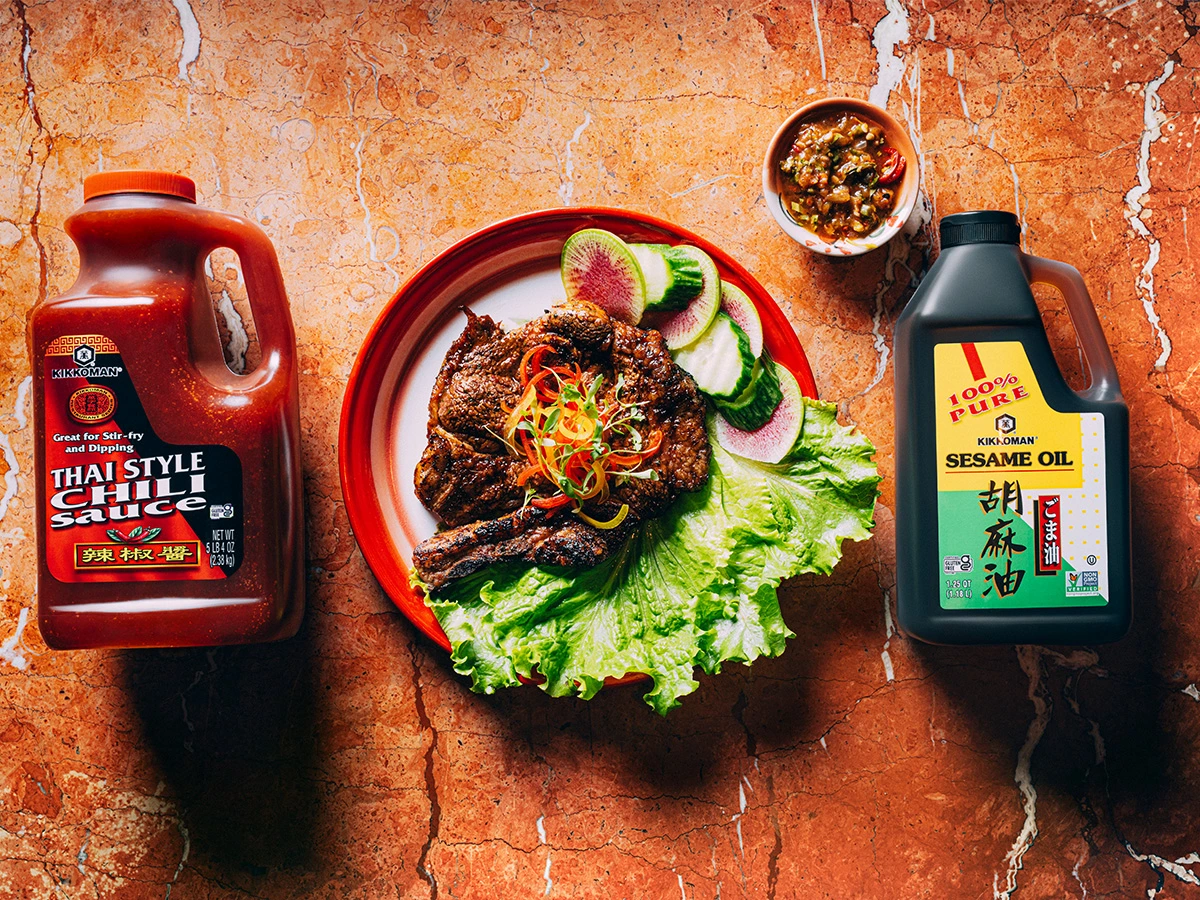
The more ingredients a kitchen can put to work across multiple menu applications, the easier it becomes to streamline inventory while keeping menu variety intact. This is the core idea behind cross-utilization ingredients kitchen strategy: a sauce that adds an Asian-inspired twist to a salad, for example, can also finish a rack of ribs on the grill, where its sugars caramelize into a deeper, more complex flavor with no extra work involved.
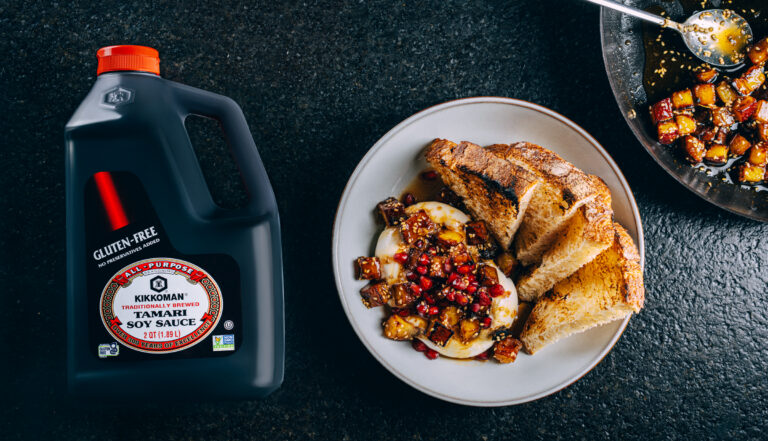
This kind of flavor consistency at scale depends on chefs recognizing how a single ingredient’s umami can drive craveability across a wide range of dishes. The combination of soy sauce and butter, for instance, adds richness to fajitas and other Mexican entrees, while a Japanese staple like katsu sauce can serve as a riff on Worcestershire sauce to elevate fried chicken or pork.
Deploy speed scratch workflows
Sauce hacks for restaurants, also known as speed scratch workflows, let kitchens use common pantry, fridge, or freezer ingredients to build on an existing sauce and create a new signature flavor. Because no cooking is required, these techniques answer the common question, “How do restaurants prep so fast?” The answer is simple: by boosting output with minimal training. These workflows can be executed in tight workstations with just a whisk or immersion blender, without a trip to the hot line.
No-cook workflows also support consistency, which matters for both brand reputation and cost control. Uneven cook times create variances in flavor intensity and output, and those small inefficiencies add up quickly across a busy service. This is essentially what speed scratch cooking is in practice.