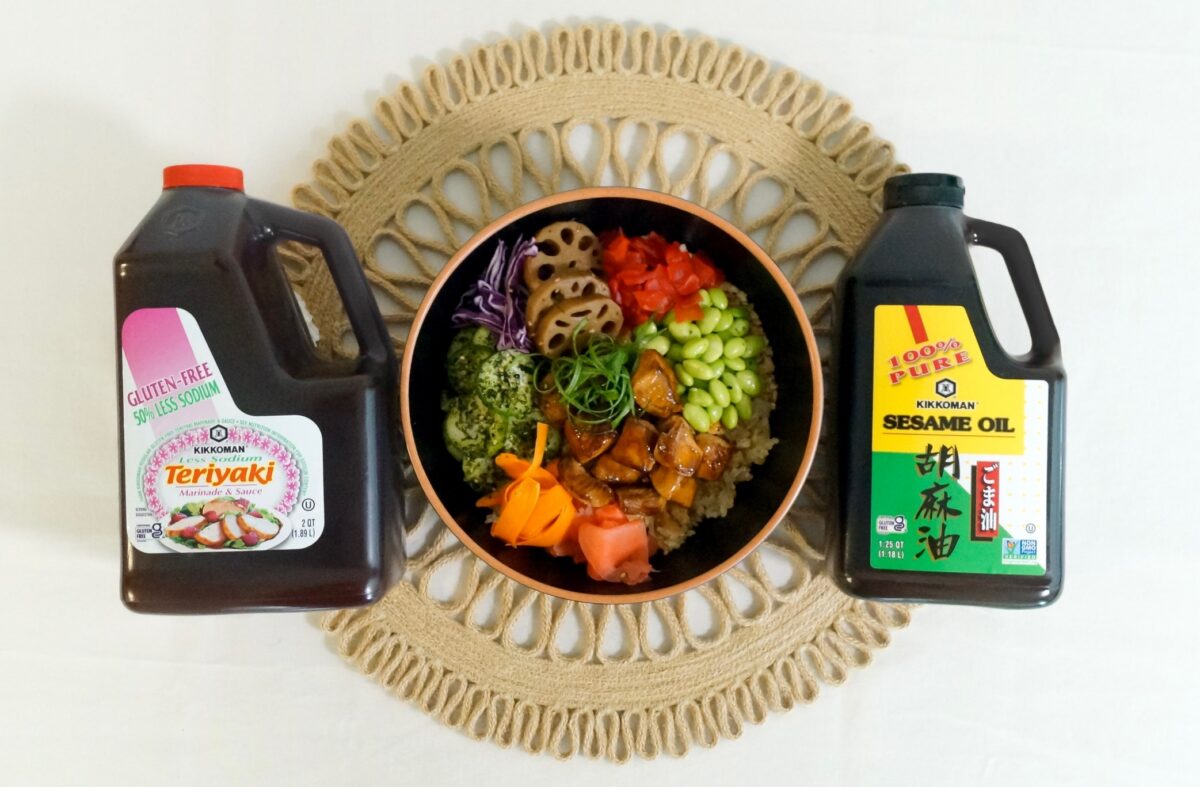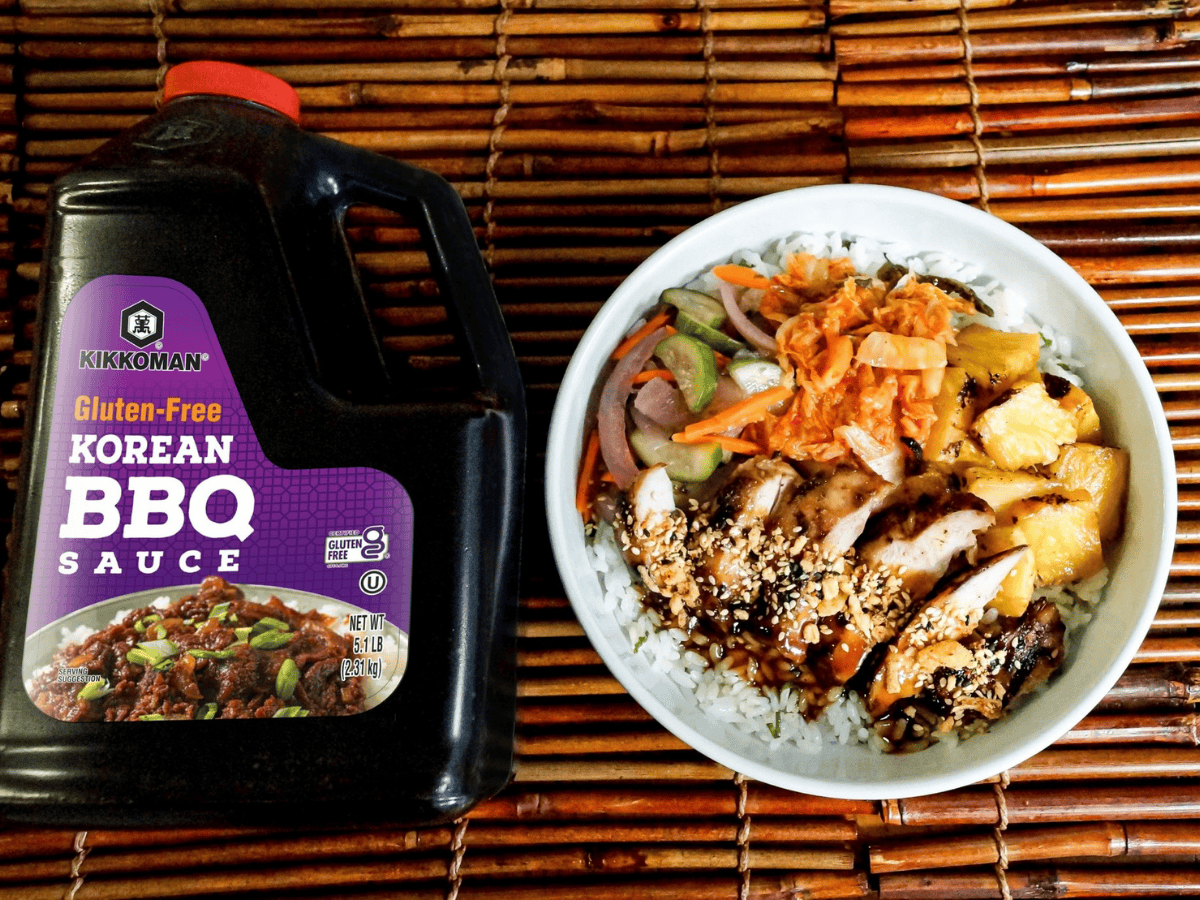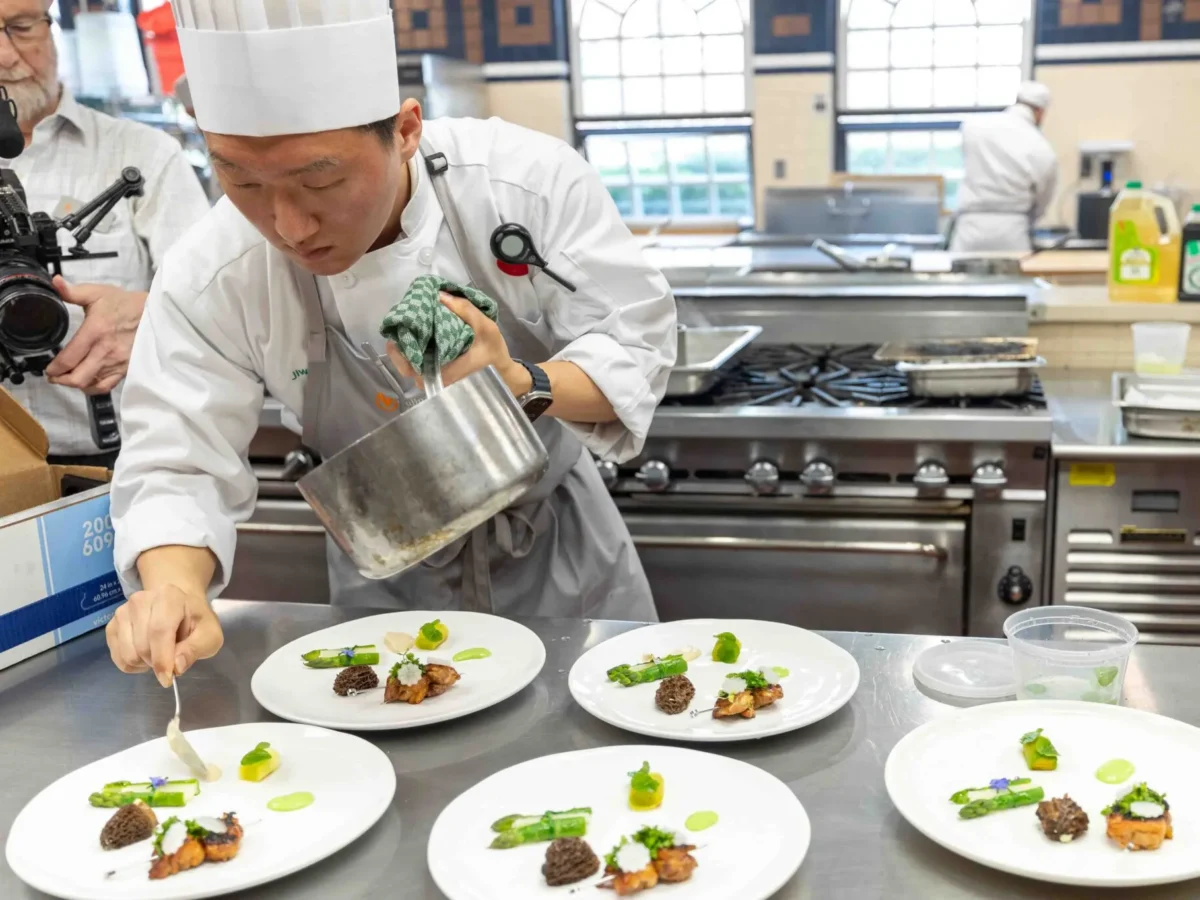
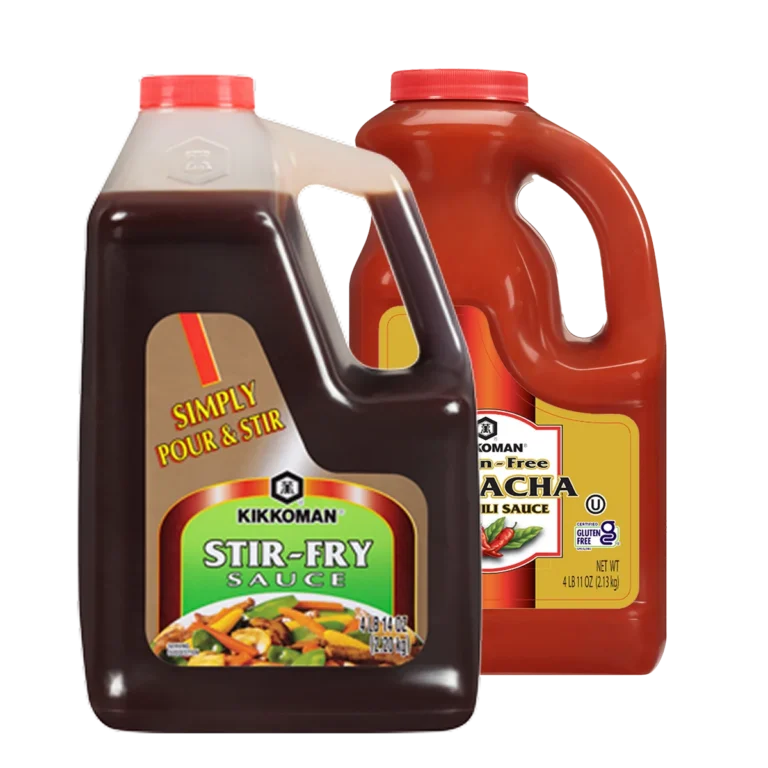

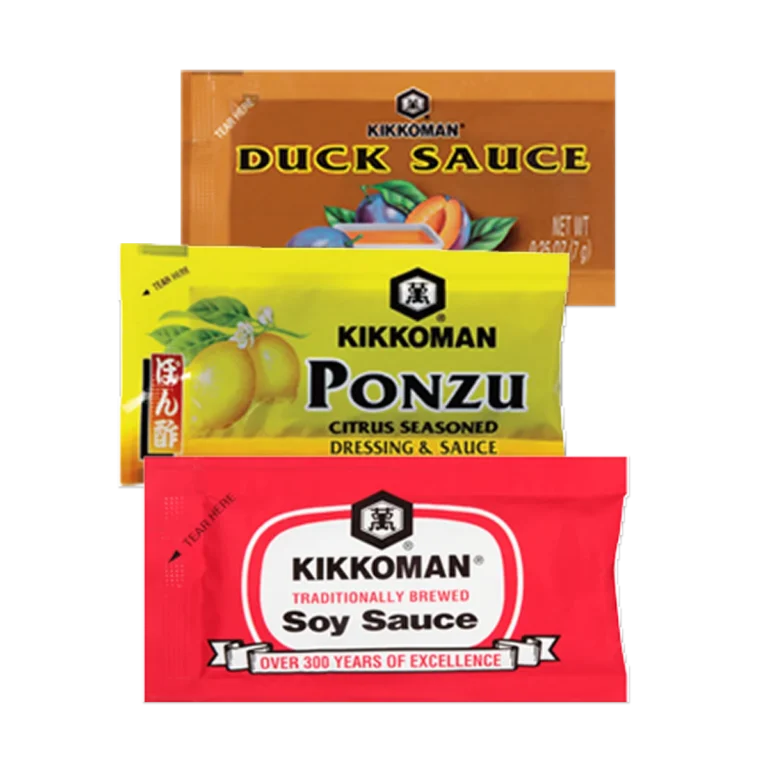

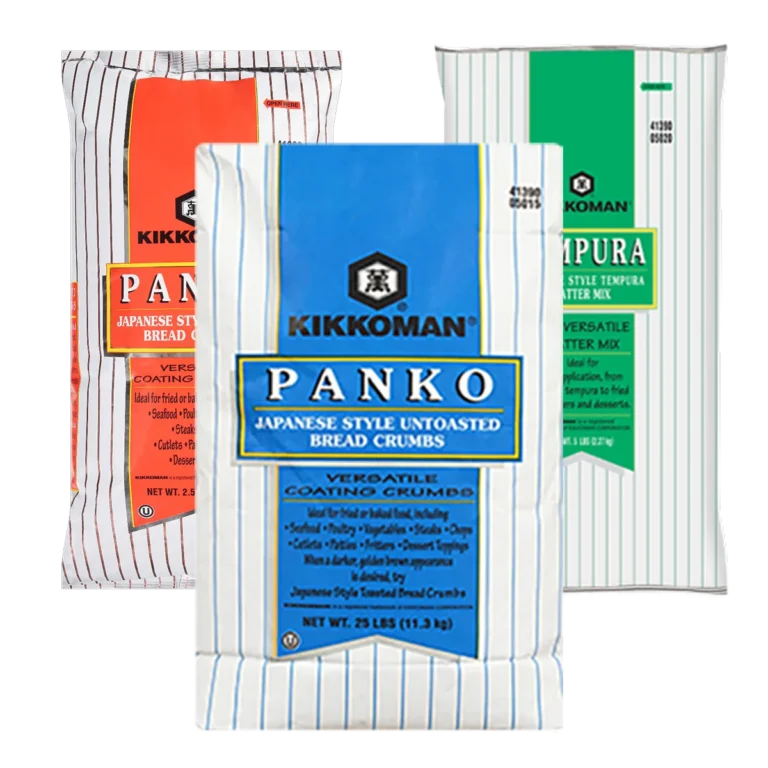
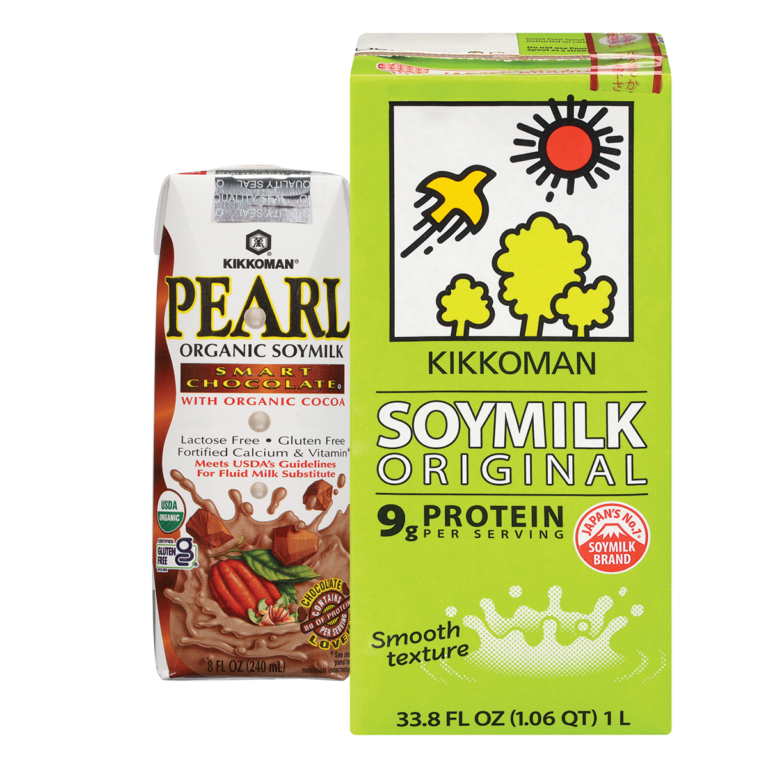
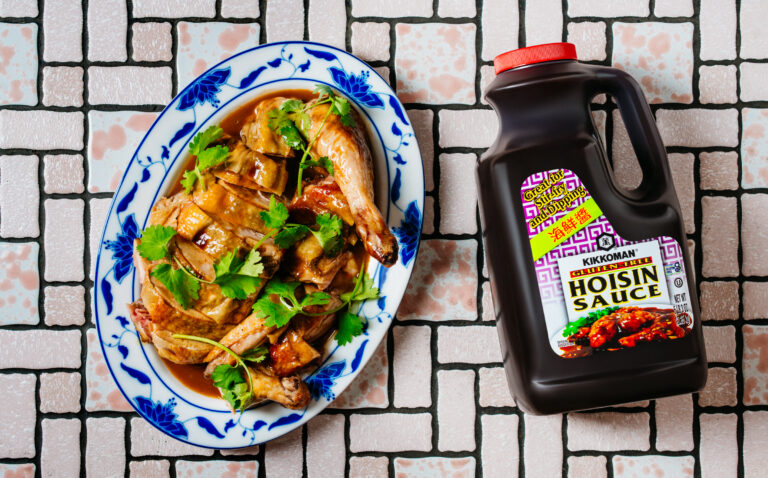
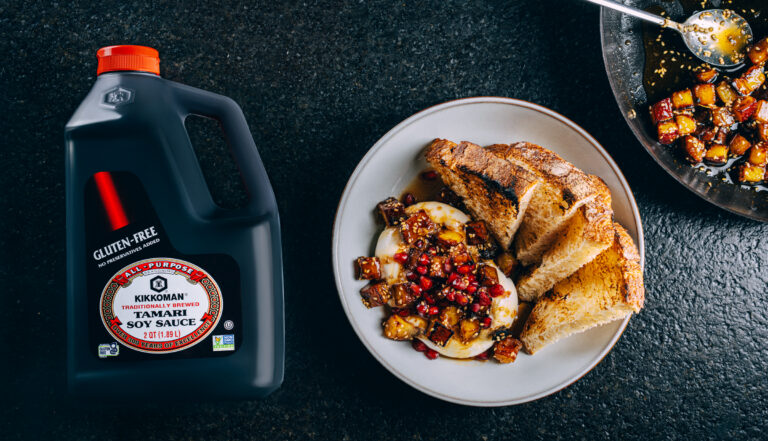




A simple way to keep menus fresh and cut labor costs without cooking a single dish from scratch.
Speed-Scratch Cooking: A Guide for Foodservice Operators
Rising food and labor costs are pushing foodservice operators to find ways to keep menus fresh without adding more work to an already stretched kitchen. Speed-scratch cooking offers a practical middle path between made-from-scratch cooking and heat-and-serve convenience. At Kikkoman, we work with foodservice operators every day to find ways to stretch pantry staples further, and speed-scratch cooking is one of the simplest tools available for doing that.
What is speed-scratch cooking?
Speed-scratch cooking starts with a prepared base, such as a sauce, dressing, or marinade, and builds on it with a few pantry or fridge ingredients rather than preparing every component from raw ingredients. A kitchen might start with a bottled ranch dressing and add a few fresh ingredients to create something that tastes custom, without the time investment of building a dressing entirely from scratch.
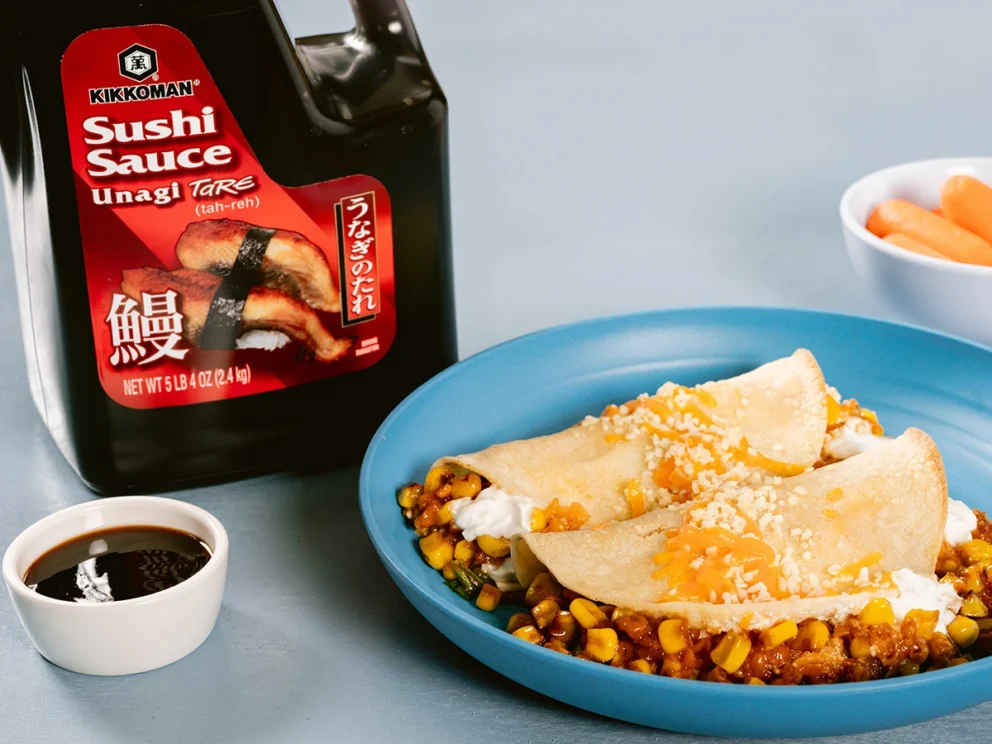
How does speed-scratch cooking help reduce labor costs in a restaurant?
Many kitchens are operating with fewer staff members than they once did, and back-of-house teams need workflows that do not add prep hours to an already tight schedule. Because speed-scratch cooking starts from a prepared base, it removes several of the most time-consuming steps in a recipe, freeing staff to focus on plating, service, and other tasks that require their full attention.
How does speed-scratch cooking support back-of-house efficiency?
Three principles guide most successful speed-scratch programs:
- Maximize flavor impact with less volume. Concentrated ingredients, such as sesame oil and rice vinegar, deliver strong flavor in small amounts, so fewer bottles sit on the line.
- Cross-utilize versatile ingredients. A single sauce, such as a soy-based glaze, can move from a salad to a rib to a fajita filling, easing inventory and prep demands.
- Deploy no-cook workflows. Staff can build on a base sauce at a workstation with a whisk or immersion blender instead of standing at the hot line, which keeps output consistent.