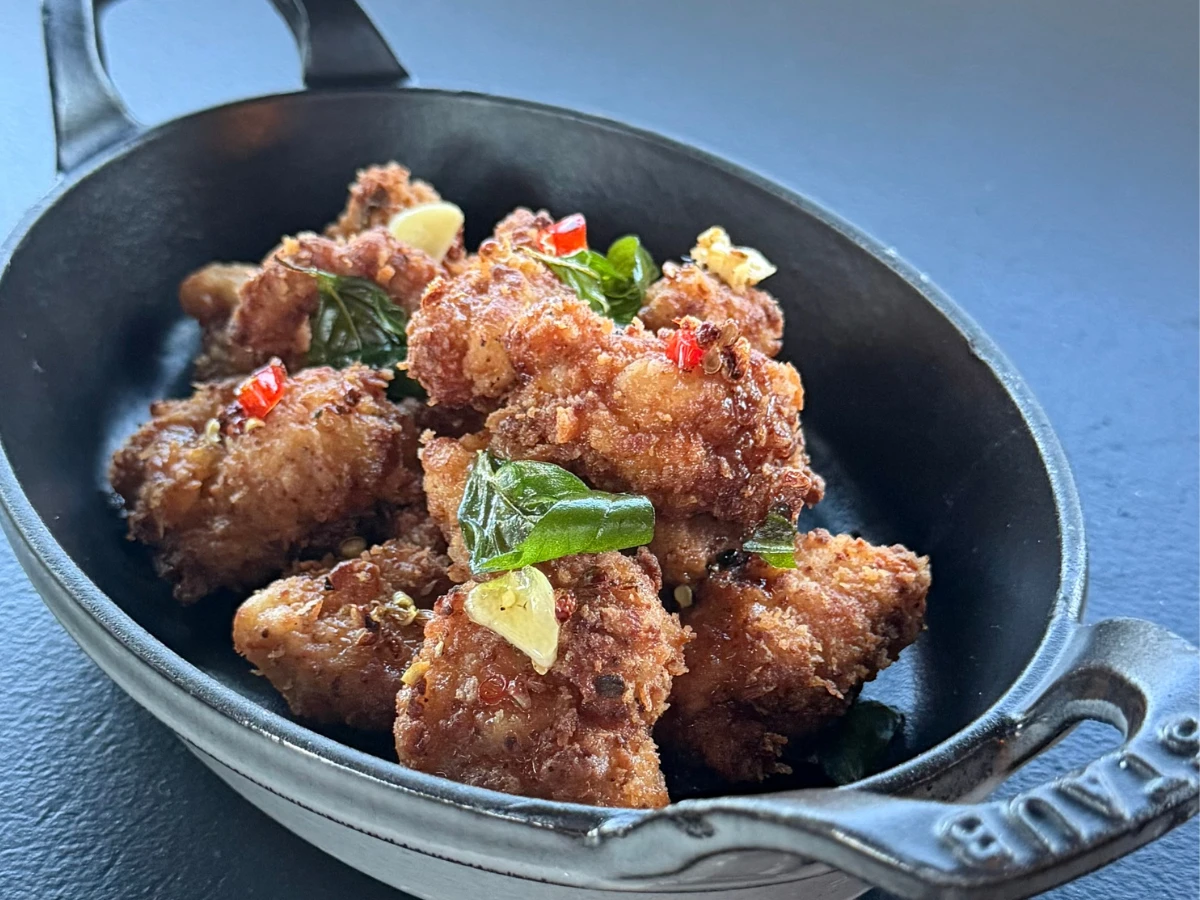




Every dish you’ve ever loved can be traced back to five basic tastes. Sweet, like the first bite of ripe fruit. Sour, like a squeeze of fresh lemon. Salty, like a perfectly seasoned piece of fish. Bitter, like dark chocolate or your morning cup of coffee. And then there’s umami. Less familiar to the average foodie, but unmistakable once it’s on your plate. You’ve likely experienced it in a slow-braised dish, a bowl of ramen, or a bite of aged Parmesan cheese.
It’s one of the most difficult of the five tastes to describe because, unlike sweet or salt, it doesn’t always announce itself. In this article, we’ll explore what umami is and how to identify it in the dishes you love or want to cook.
What does umami taste like?
Umami is savory, but that isn’t to confuse it with salty. Salt sharpens flavor and makes it more pronounced in a dish; umami does something different. It adds depth that lingers long after your first bite and last bite. It’s the reason a slow-cooked braised meat tastes richer than a quick pan sauce, and why certain dishes feel complete while others fall just short.
What makes this happen?
- Glutamate: an amino acid found naturally in fermented, aged, and cooked foods. It’s the most abundant umami compound and the most responsible for that deep, savory base.
- Inosinate: found primarily in meat and fish, it amplifies the umami effect of glutamate when the two are combined.
- Guanylate: found in dried mushrooms, it works similarly to inosinate, multiplying the umami impact of glutamate significantly.
When they come together, you get a robust flavor that easily turns a good dish into an unforgettable one.