

Product FAQs
General FAQs | Allergen & Intolerance FAQs | Dietary FAQs | Shelf-Life & Storage FAQs
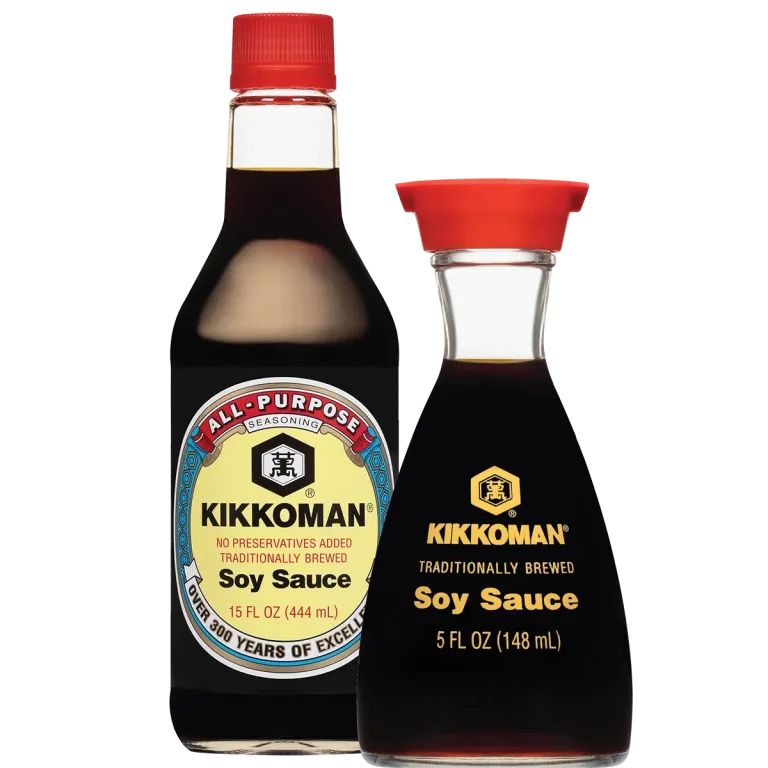
To open the dispenser bottle, first remove the outer plastic seal and cap from the bottle. Then, remove the plastic insert from either inside of the cap or on top of the bottle and screw the cap back on. If you have difficulty twisting off the cap, we suggest running the unopened bottle under hot water for a minute and then using a rubber gripper or a wet cloth to carefully twist off the cap.
Please click here to watch a video on inserting and using the pour spout.
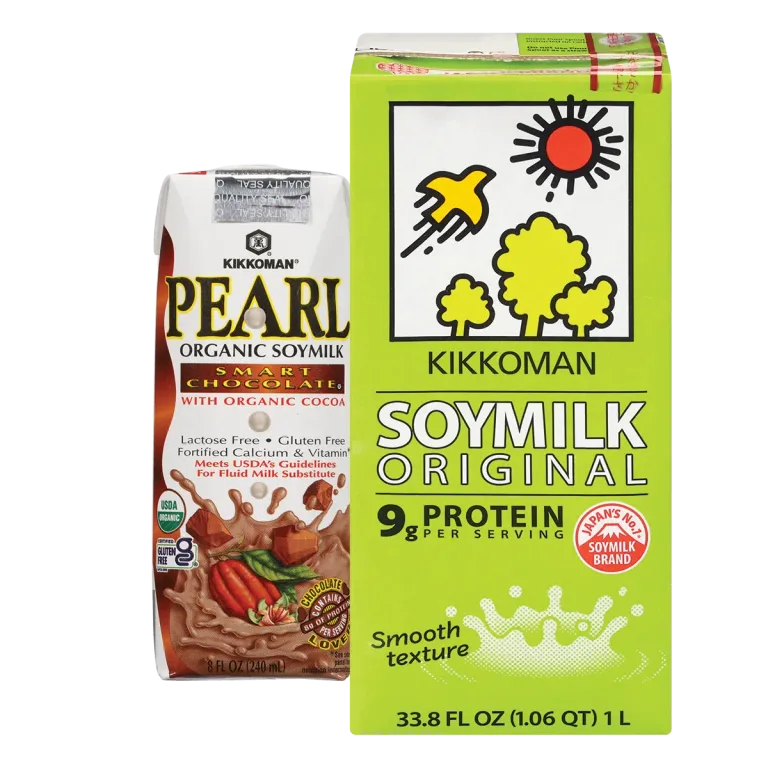
Yes, Kikkoman Soymilk may be used in a variety of recipes. Like milk, you could add it to your coffee, pour it over your cereal, and use it to make smoothies, soups, muffins, and more. However, the soymilk should not be overheated as it may cause the soymilk to curdle.
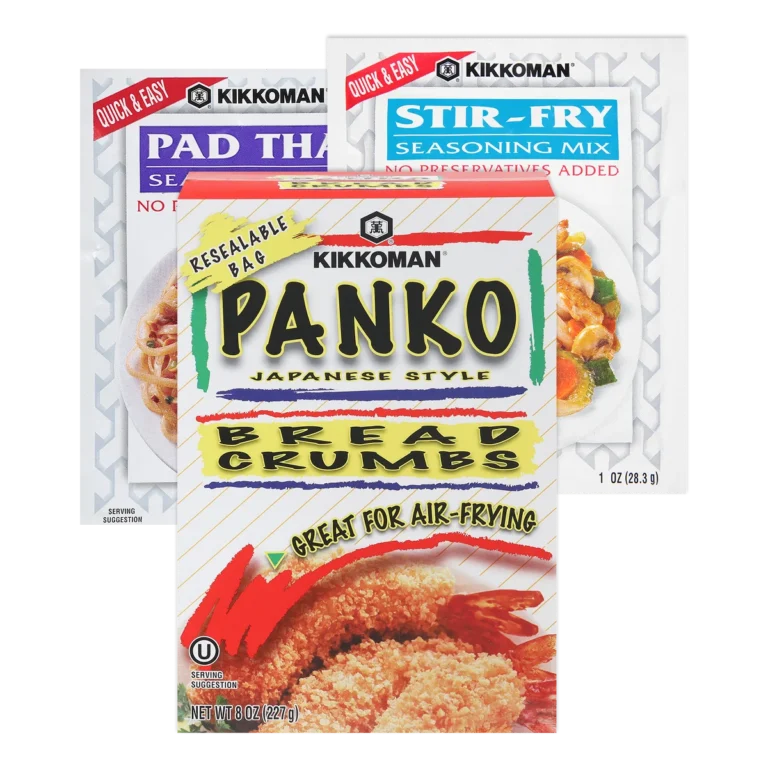
Kikkoman Panko Bread Crumbs start with specially baked, crustless bread and then we grind the bread into coarse crumbs. Because our Panko has a lighter, coarser texture than regular bread crumbs, they have a satisfying crunchier texture. Use Panko in fried, air-fried, and baked recipes.
Please click here for more information about our corporate policy on animal testing.
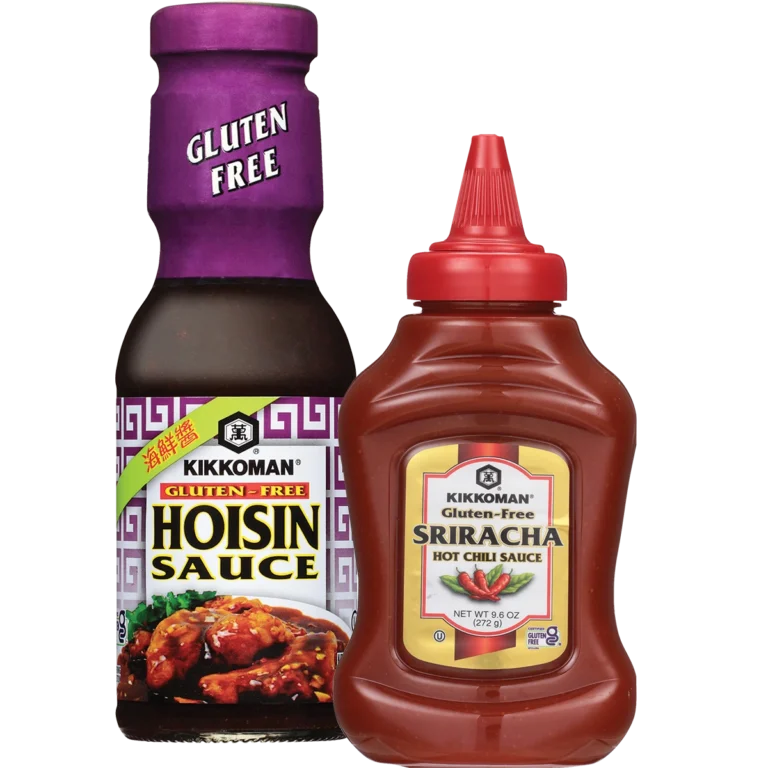
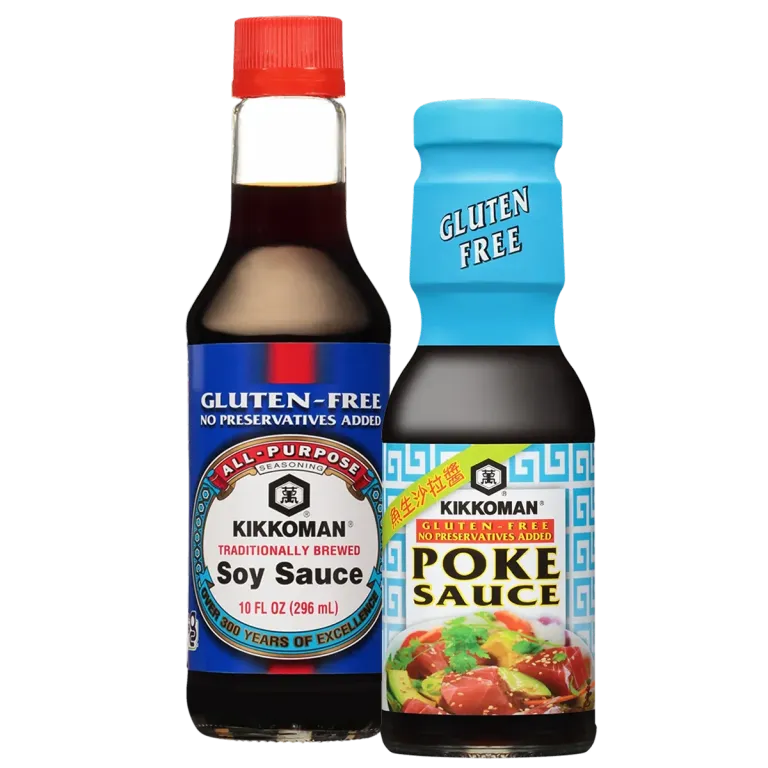
Yes. Kikkoman offers a variety of Gluten-Free products, including soy sauces, panko, hoisin and other sauces. To see our complete family of Gluten-Free products, please click here. These products are certified as gluten-free (less than 10ppm) by the Gluten Free Certification Organization (GFCO). To find stores that carry these items, please try our Product Locator.
Kikkoman Soy Sauces contain greater than 2% alcohol by volume. The alcohol is a result of the fermentation process. Like wine or beer, our soy sauces are brewed and they are made from soybeans, wheat, salt, and water. During fermentation, the wheat starches are broken down to sugars and part of the sugar is changed into alcohol.
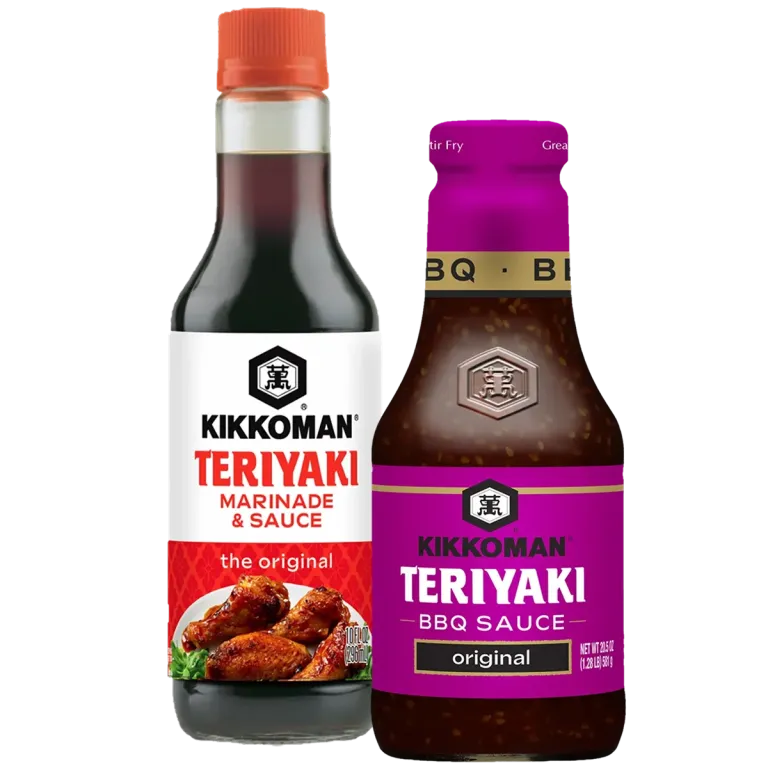
Kikkoman Teriyaki Sauces have a small amount of alcohol since they are all made with our Kikkoman Soy Sauce. Our Soy Sauce is a fermented product like beer and is made from wheat, soybeans, salt and water. During the fermentation process, the wheat starches are broken down to sugars and part of the sugar is changed into alcohol. Also, some of our teriyaki sauces have wine or mirin (rice wine) as an ingredient.
For our sauces, the “Best if Used By” date is printed on the neck of the glass bottle or the bottle cap. Our seasoning mixes and gold-colored packaged soup mixes have a date printed across the top of the package back or embossed on the side of the packets. Please click here to view some examples.
Once opened, the soy sauce will start to lose its freshness, and the flavor will begin to change. We recommend keeping soy sauce refrigerated to maintain peak flavor and quality.
Yes, Kikkoman Rice Vinegar and Seasoned Rice Vinegar should be refrigerated after opening and the lid should be kept tightly closed.
The sesame oil does not require refrigeration after opening, but we suggest storing it in a cool, dark cupboard or pantry.
For the best quality, we recommend refrigerating and using the sauce promptly. Once opened, the quality of the sauce will decline faster. How the product is stored and handled will also affect its quality. As a guideline, we suggest using the product within a month of opening and checking the quality and freshness of the opened sauce before each use. However if at any time the product has an unusual taste or smell, it should not be used.
We suggest you do not freeze the product because it could damage the carton, causing the soymilk to spoil.
READY TO SEASON YOUR LIFE?
Explore Kikkoman recipes and products for home cooking and spice up your weeknight routine.