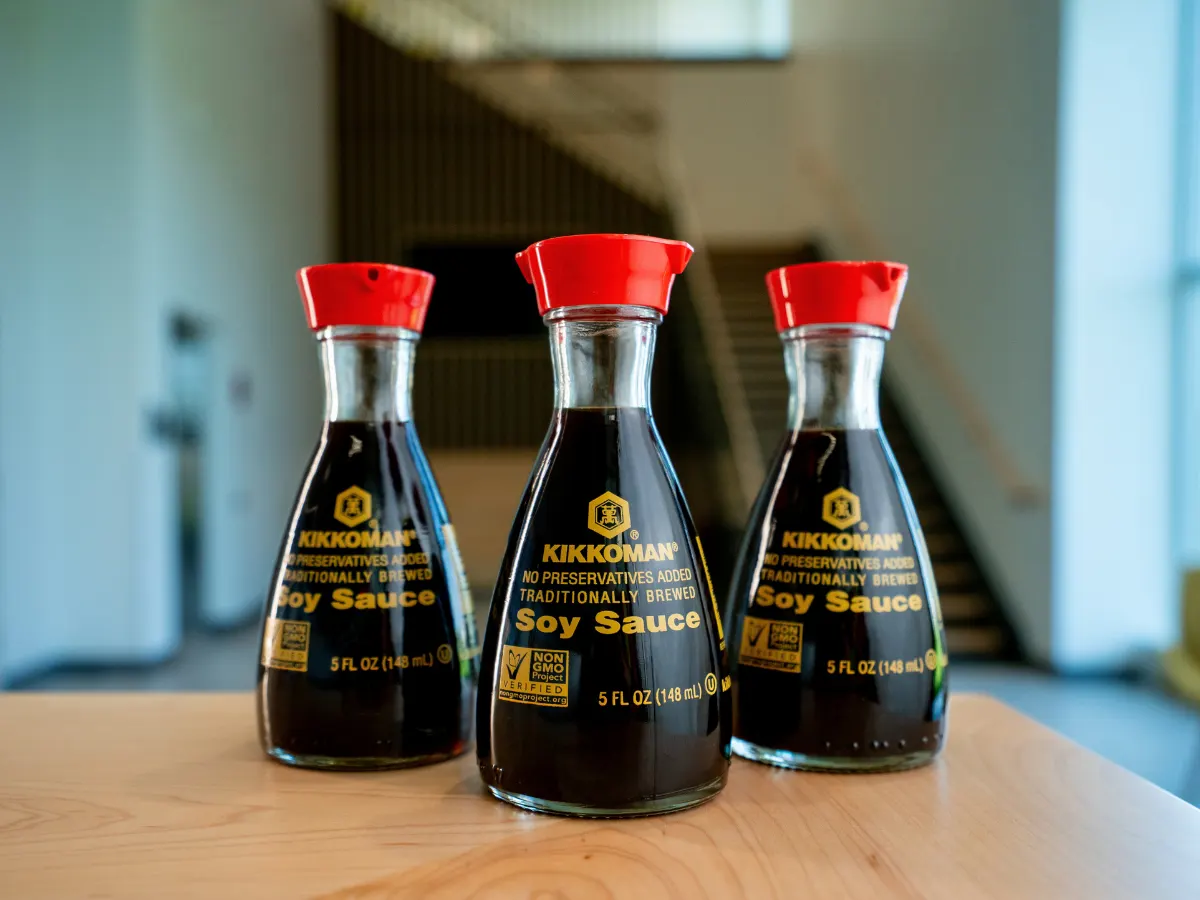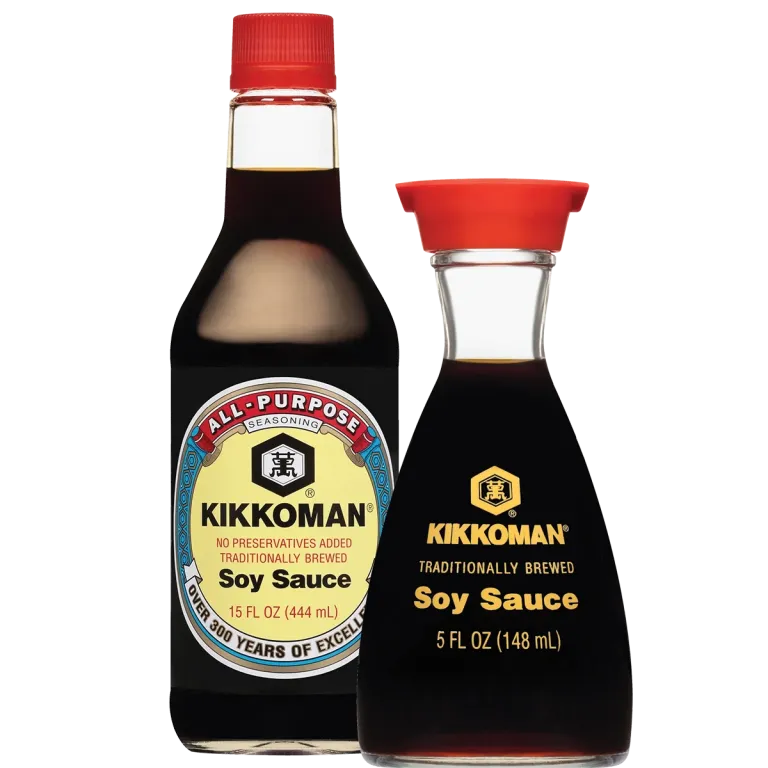
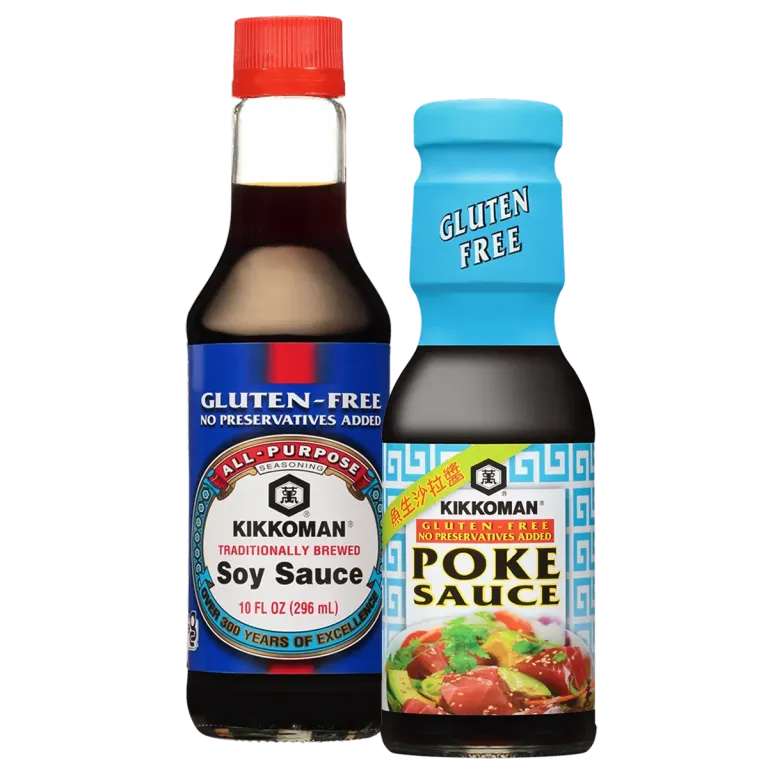

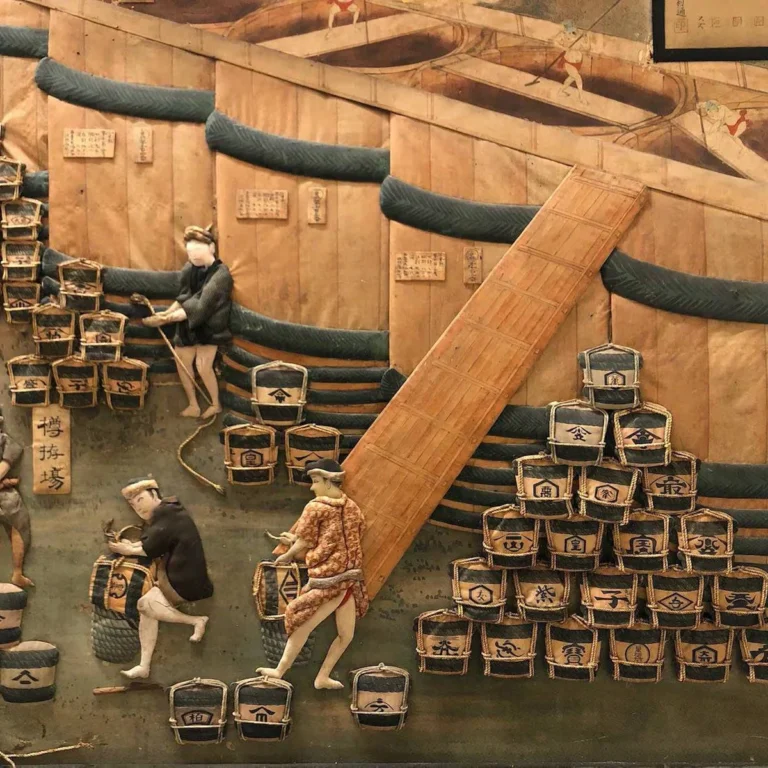
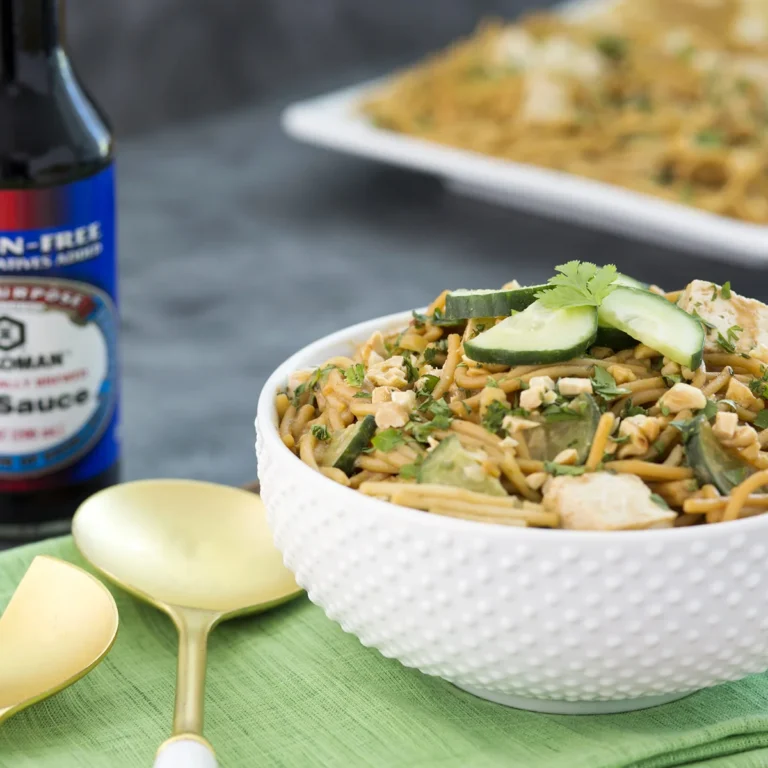
When you look around your modern kitchen, you probably won’t spot too many things that are 300-years old…unless you have a bottle of Kikkoman Soy Sauce. While we realize your actual bottle of the condiment isn’t likely that old, the recipe that created it is.
Traditionally brewed Kikkoman Soy Sauce is an ancient recipe for a modern world.
Honoring the honjozo method
By remaining dedicated to the honjozo brewing technique, Kikkoman continues its centuries-old tradition. Through the traditional Japanese brewing method, soy sauce undergoes a meticulous fermentation process over the course of several months. This extended aging period creates a complex, multi-dimensional sauce known for its deeply nuanced aromas and flavors. It is the way soy sauce has been made in Japan for generations.
Creating Kikkoman Soy Sauce begins with four basic ingredients: water, soybeans, wheat, and salt. A kind of koji mold (Aspergillus) is mixed with steamed soybeans and roasted crushed wheat. (This particular koji mold is a proprietary heirloom strain that Kikkoman has used since the 17th century. It ensures the same exact soy sauce flavor profile from one generation to the next.)
During a three-day period, the mold generates enzymes that decompose starches and proteins. This koji is then combined with a saltwater brine within fermentation tanks to produce a mash known as moromi.
The moromi undergoes a slow transformation over several months driven by yeasts and lactic acid, which break down the proteins into amino acids. This is what creates the signature umami profile of the soy sauce. The fermentation stage also turns starches into alcohols and sugars, which produces a complex array of more than 300 aroma compounds.
Once the moromi has matured, it is carefully layered into cloths and pressed to draw out the raw soy sauce. Following a few days of settling, the resulting reddish-brown liquid is heated, which stabilizes the flavor and stops fermentation prior to the final bottling stage.