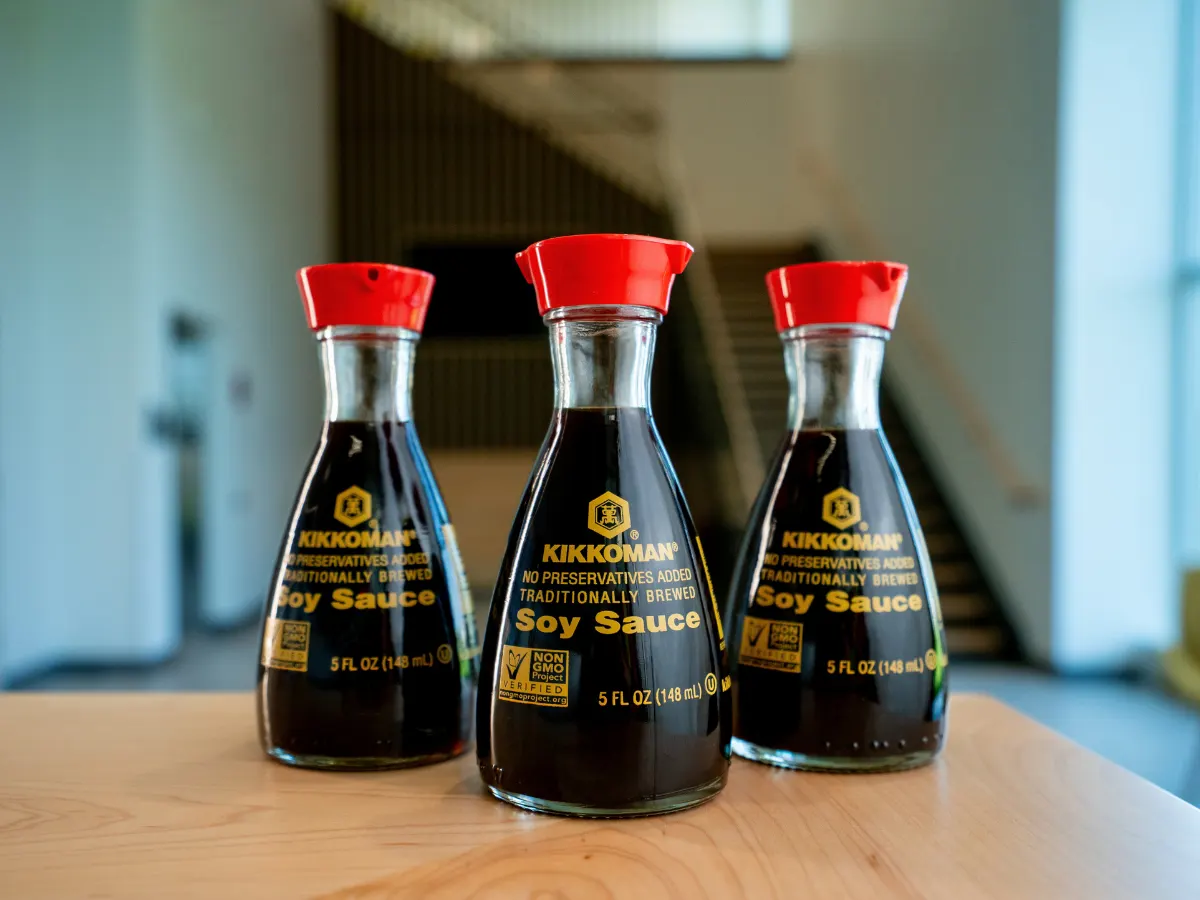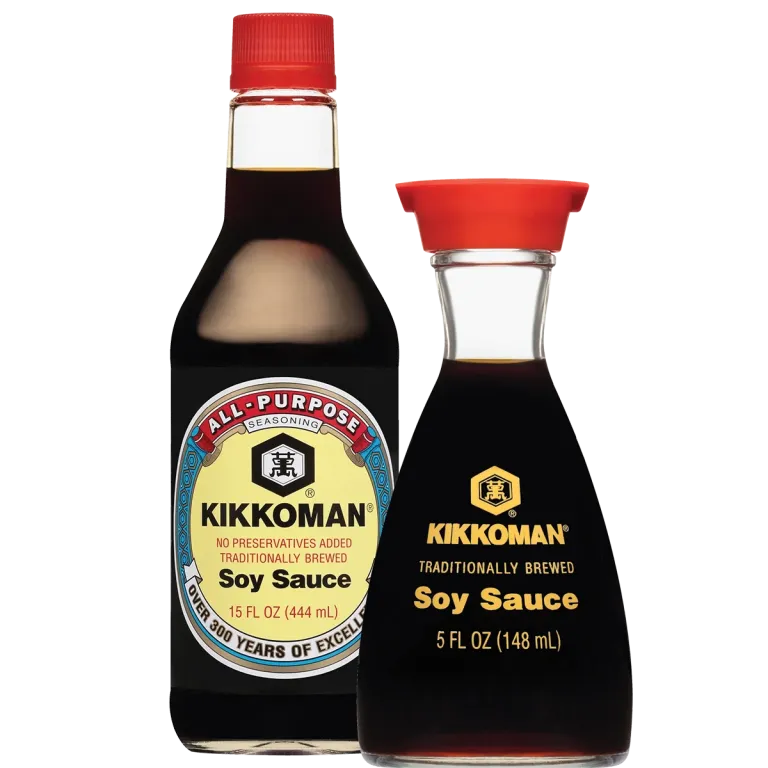
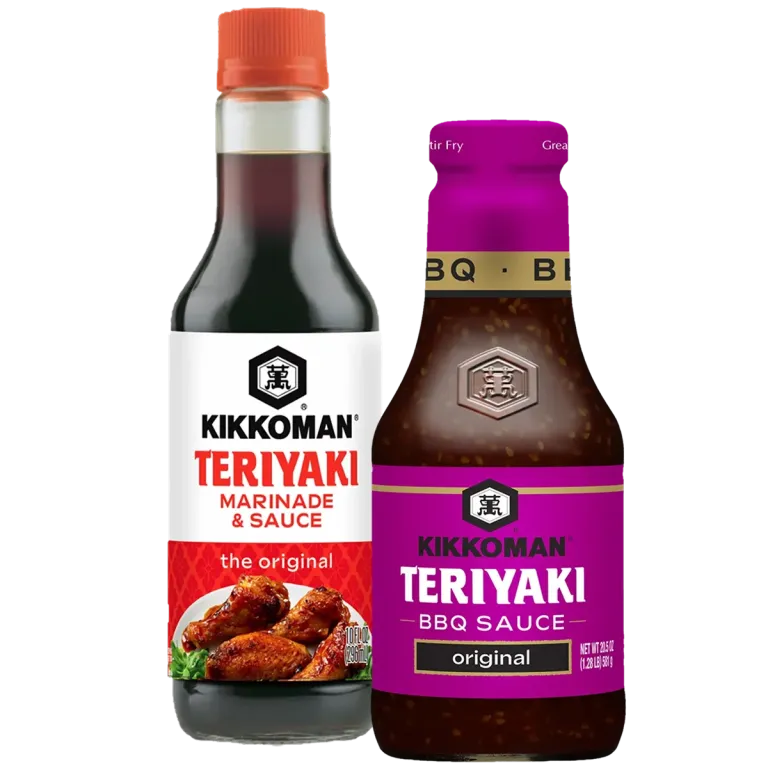
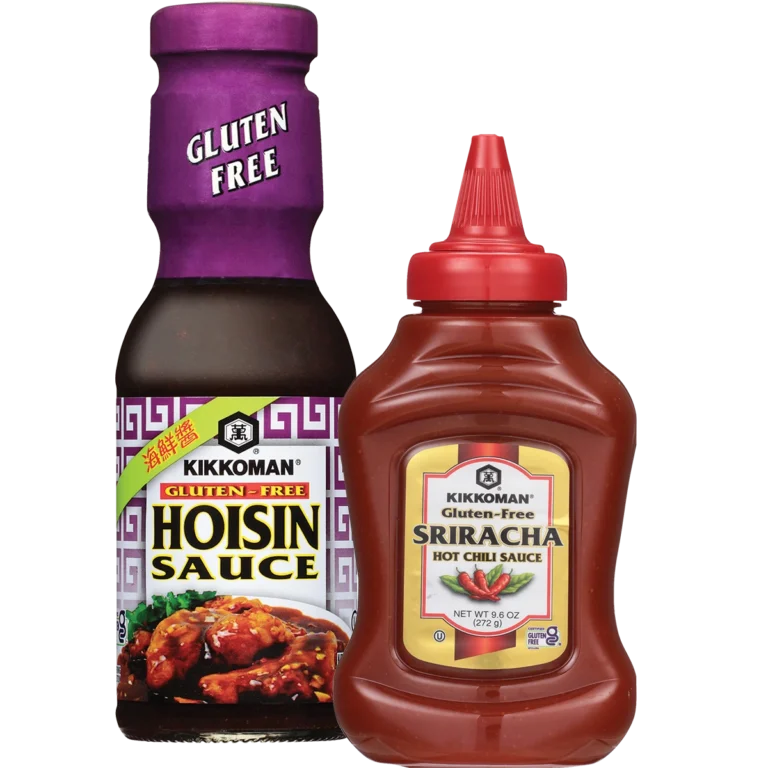

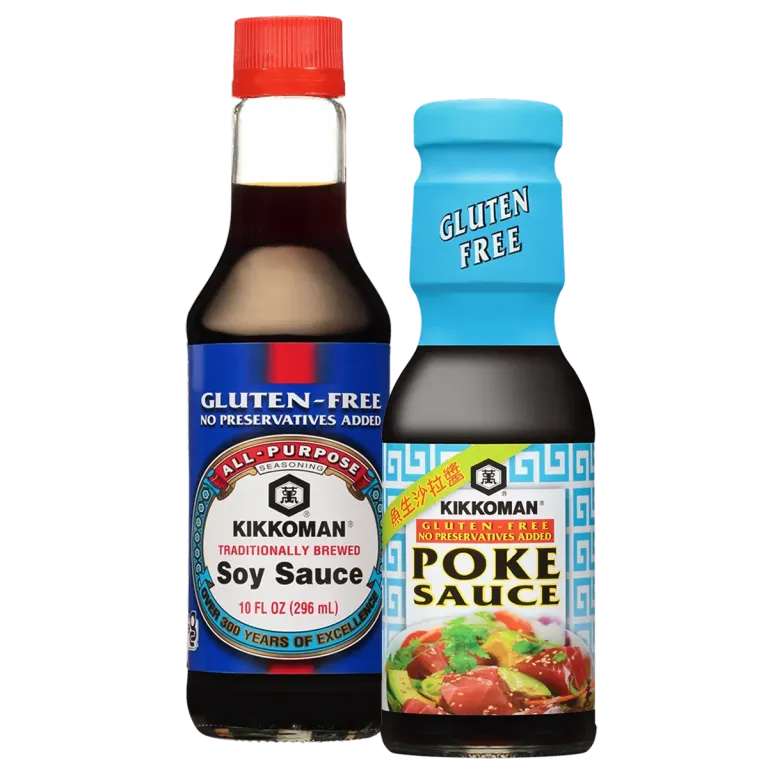




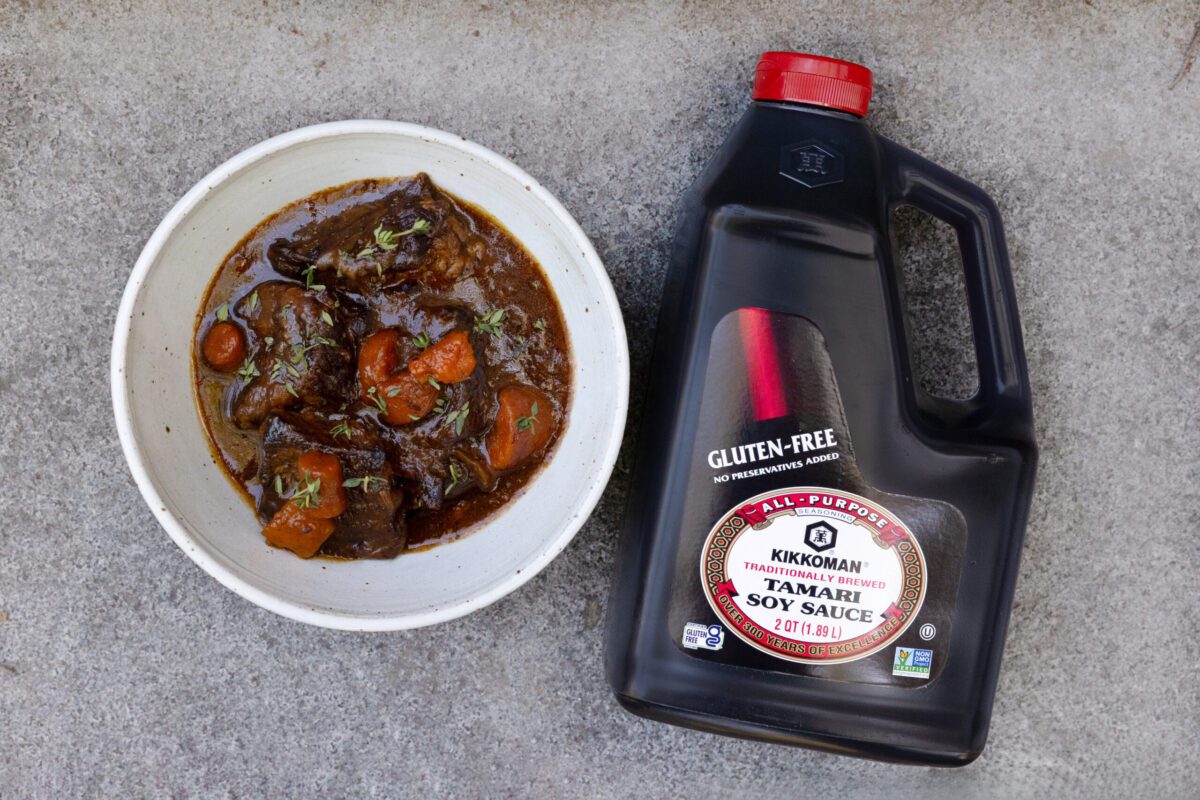
If you’ve ever stood in the grocery aisle staring at a Tamari bottle next to soy sauce and reached for your phone to look up the difference, you’re not alone. They look identical, they are usually shelved side by side, and some recipes have you swapping one for the other, but they aren’t the same.
Tamari has been a staple in Japanese cuisine for centuries, created by a simple serendipitous discovery of miso fermentation. Below, we go deeper into its origins, how to use it, and how it differs from its condiment counterpart, soy sauce.
What Is Tamari?
Tamari is a Japanese soy sauce originally produced as a byproduct of miso fermentation. This liquid collects around the miso as it ferments, which is how it got its name. Through the slow fermentation of soybeans with salt, water, koji, and sometimes wheat, Tamari develops a rich flavor profile, a thicker texture, and a color that adds depth to any dish.
That fermentation process is where Tamari starts to separate itself from the classic soy sauce, which is brewed with soybeans and wheat. Let’s get into what makes the two distinctly different.