



Gluten-Free Soy Sauce
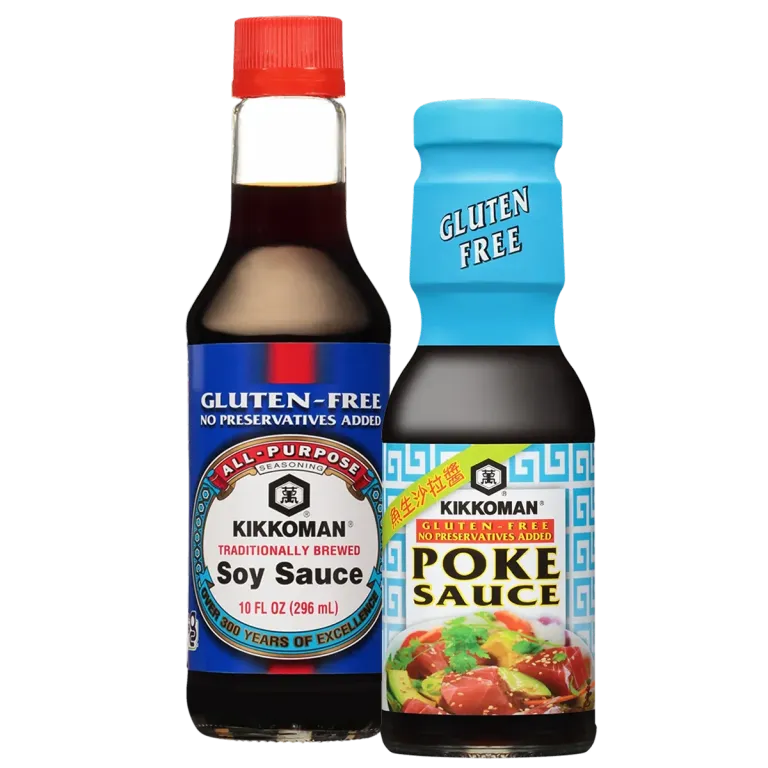
Water, Soybeans, Rice, Salt. (Contains: Soy.)
About 20 Servings
Serving Size 1 Tbsp (15mL)
Calories 10
Brewed in the USA, Certified Gluten-Free, No Preservatives Added, Orthodox Union Kosher Certification, Vegan-certified
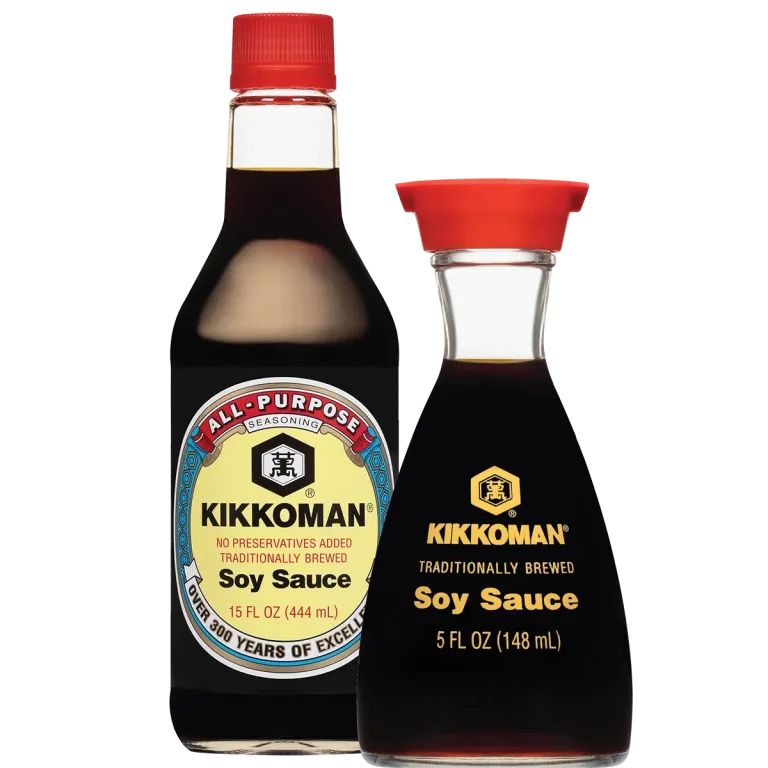
Kikkoman® No Preservatives Added Gluten-Free Soy Sauce delivers the same rich, savory taste and umami flavor as traditional Kikkoman Soy Sauce. Traditionally brewed with four simple ingredients, water, soybeans, rice, and salt, this gluten free soy sauce swaps wheat for rice. The Gluten Intolerance Group of North America (GIG) certifies it gluten free, and its mild flavor carries no preservatives. Kikkoman’s age-old brewing process preserves and enhances the sauce’s flavors, delivering the quality the Kikkoman family of products has built its reputation on.
Gluten-Free Soy Sauce FAQS
Traditional soy sauce contains wheat and is not gluten free. Kikkoman® Gluten-Free Soy Sauce replaces wheat with rice. The result is a certified gluten-free sauce with the same rich, savory flavor Kikkoman® is known for. Kikkoman® Gluten-Free Tamari Soy Sauce offers another traditionally brewed, wheat-free option, made from water, soybeans, salt, and sugar.
Wheat is a traditional ingredient in soy sauce brewing. It develops the sauce's color and flavor during fermentation, and it also contains gluten. Kikkoman® Gluten-Free Soy Sauce swaps the wheat for rice, keeping the umami taste without the gluten.
Soybean oil is naturally free of gluten. It comes from soybeans, not wheat, and gluten only enters soy-based products like traditional soy sauce when brewers add wheat during fermentation.
Traditional Kikkoman Soy Sauces contain greater than 2% alcohol by volume, as a result of the fermentation process. Like wine or beer, we brew our traditional soy sauces from wheat, soybeans, salt and water. During fermentation, wheat starches break down into sugars, and part of the sugar converts into alcohol.
We brew the all-purpose Soy Sauce and Less Sodium Soy Sauce at the Kikkoman Foods, Inc. plant in Walworth, WI, where no peanuts or tree nuts ingredients enter the facility. Check the back of the label to see where a specific product was made.
Soy sauce starts to lose its freshness once opened, and the flavor begins to change. Refrigeration keeps the flavor and quality at their peak for longer. Unopened soy sauce with no added water or other ingredients would not spoil even without refrigeration.
For our sauces, the Best By Date is printed on the neck of the glass bottle or the bottle cap. Our seasoning mixes and gold-colored packaged soup mixes have a date printed across the top of the package back or embossed on the side of the packets. Click here to view some examples.
For the best quality, we recommend refrigerating and using the sauce promptly. Once opened, the quality of the sauce will decline faster. How the product is stored and handled will also affect its quality. As a guideline, we suggest using the product within a month of opening and checking the quality and freshness of the opened sauce before each use. However if at any time the product has an unusual taste or smell, it should not be used.