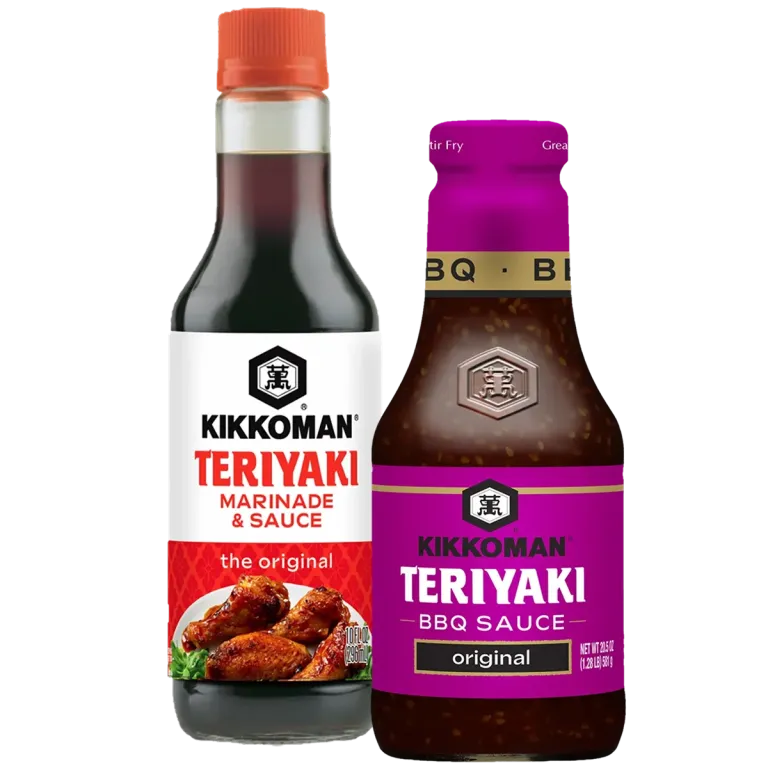
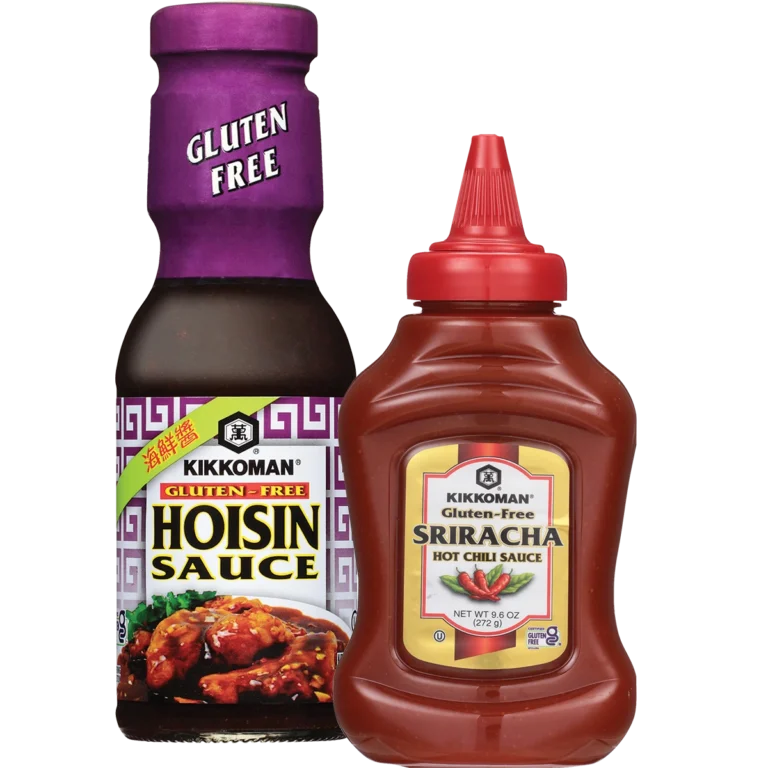
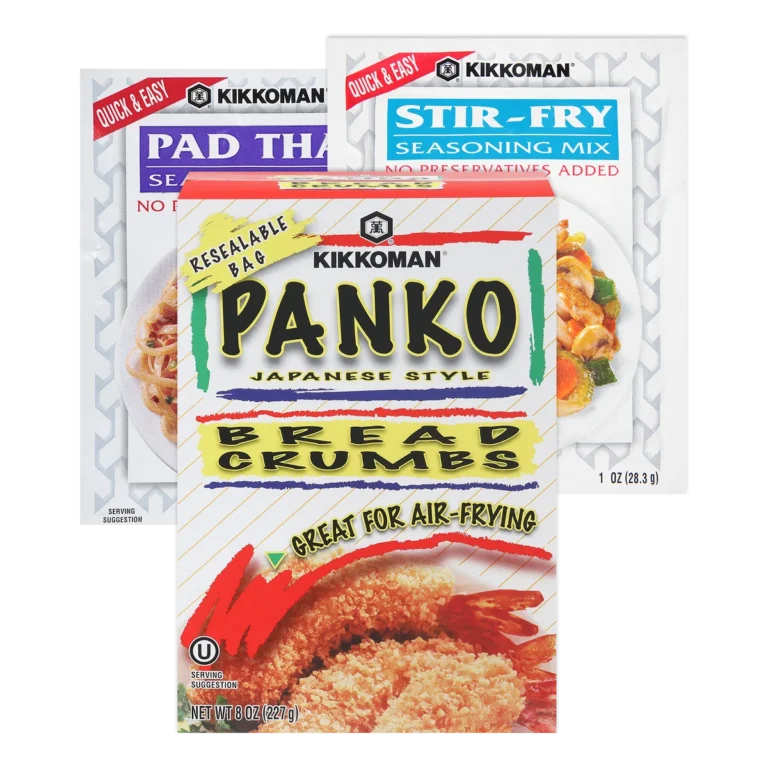
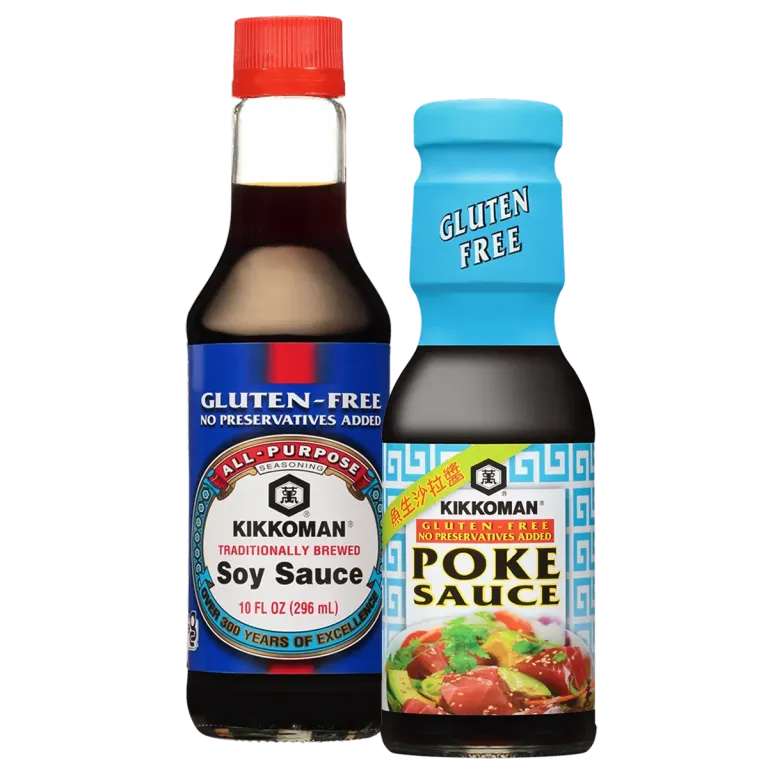



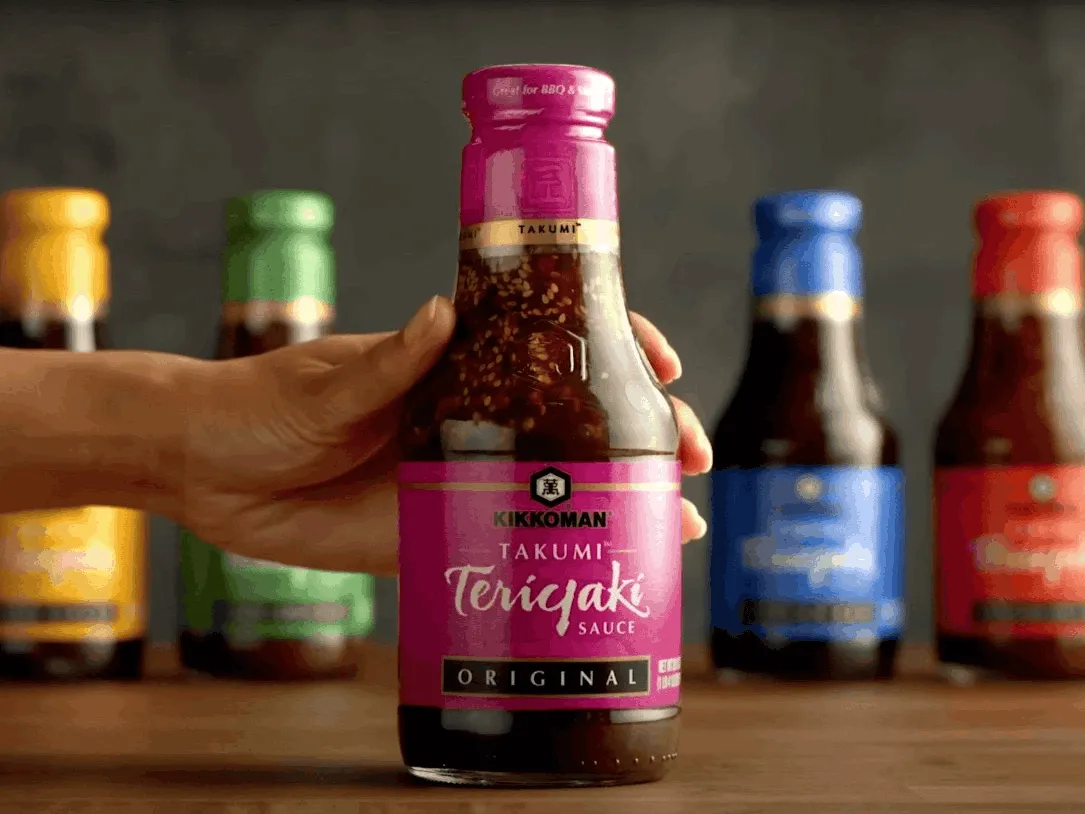
Teriyaki is more than just a sauce or a marinade. Teriyaki-style cooking encompasses an entire culinary genre defined by a bold, sweet-savory balance of flavors. It is essentially equal to Japanese BBQ. Teriyaki-style cuisine is also notable for its rich umami flavor profile, its sweet caramelization, and its tangy undertones. Teriyaki translated from Japanese perfectly defines this style of cooking: “Teri” meaning luster or glaze, and “Yaki” for grill or broil.
What is teriyaki-style cooking?
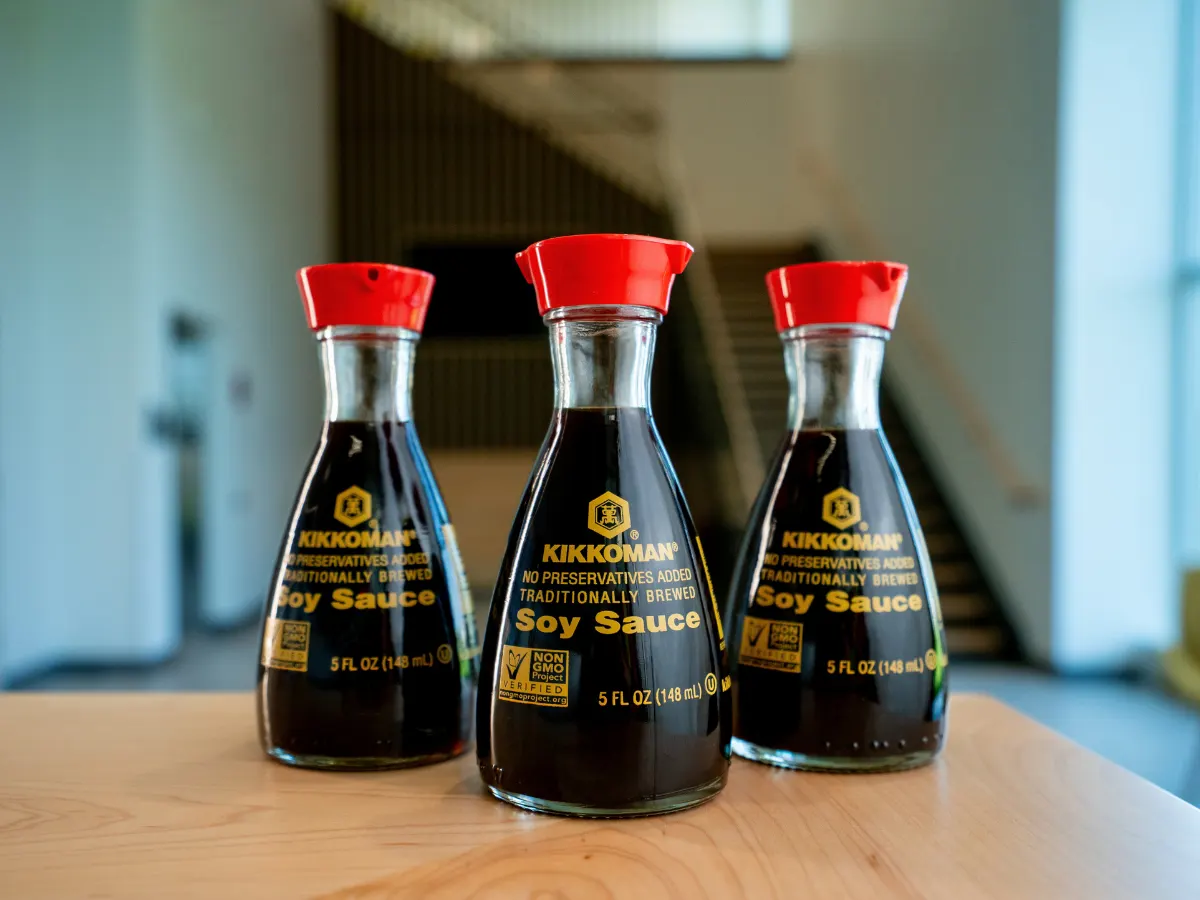
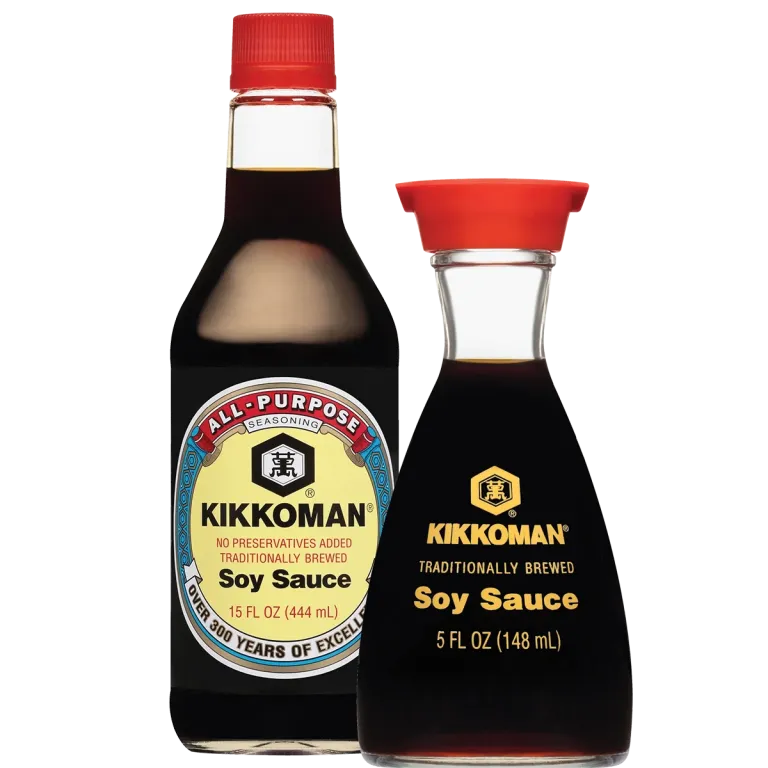
Teriyaki-style cooking emerged in Japan in the 17th century, developed as a method for grilling and preserving fatty fish such as yellowtail, salmon, and mackerel. Traditional teriyaki sauce ingredients included a simple glaze of soy sauce, mirin (sweet rice wine), and sugar. In the 1960s, Japanese immigrants in Hawaii adapted the recipe to include local ingredients such as pineapple juice, fresh ginger, and brown sugar. Then, in 1961, we at Kikkoman launched our first bottled teriyaki sauce in the U.S.
Teriyaki-style cooking is defined by three criteria:
- High-heat cooking: Traditionally cooked over charcoal, an open fire, or under a broiler.
- A “Tare” glaze: Tare, a traditional Japanese glazing liquid, is a simple reduction of soy sauce, mirin, sake, and sugar.
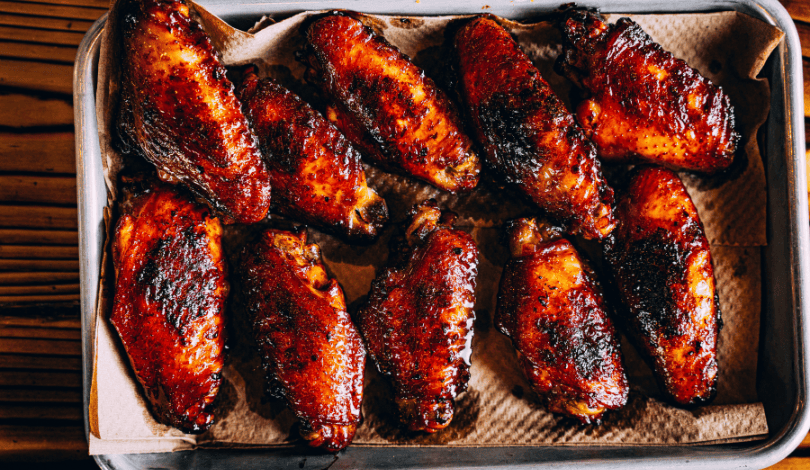
- Repeated basting: Unlike a teriyaki marinade, authentic teriyaki-style cooking involves brushing the food with the glaze many times during the cooking process to build layers of flavor and develop the signature “teriyaki shine.”